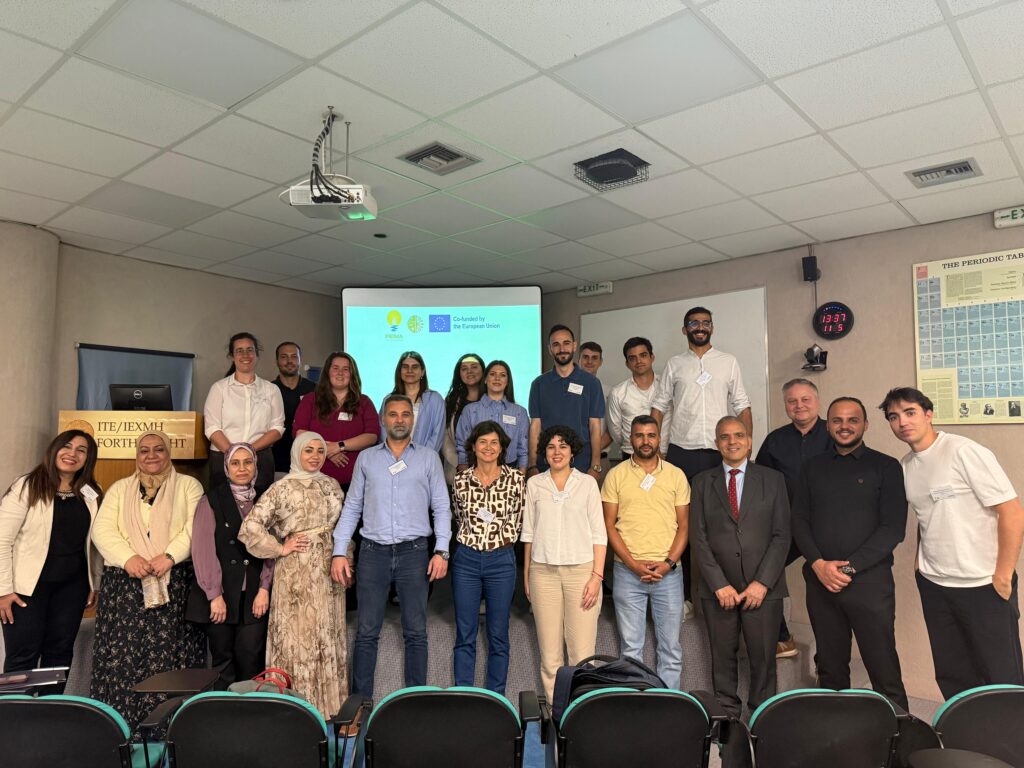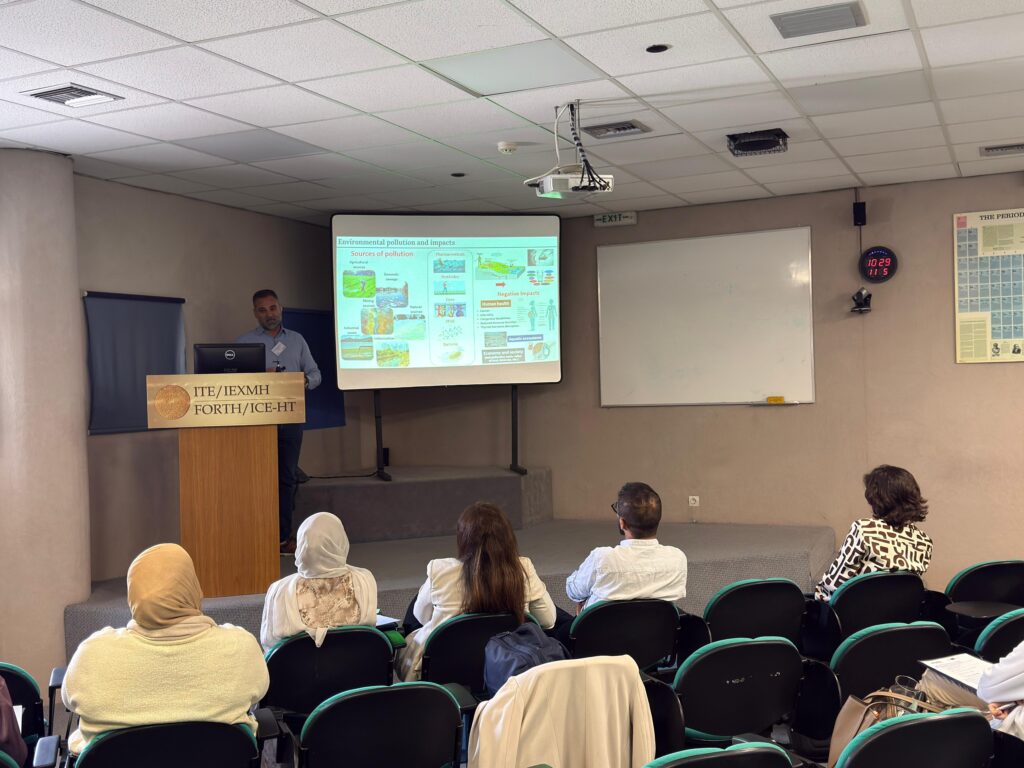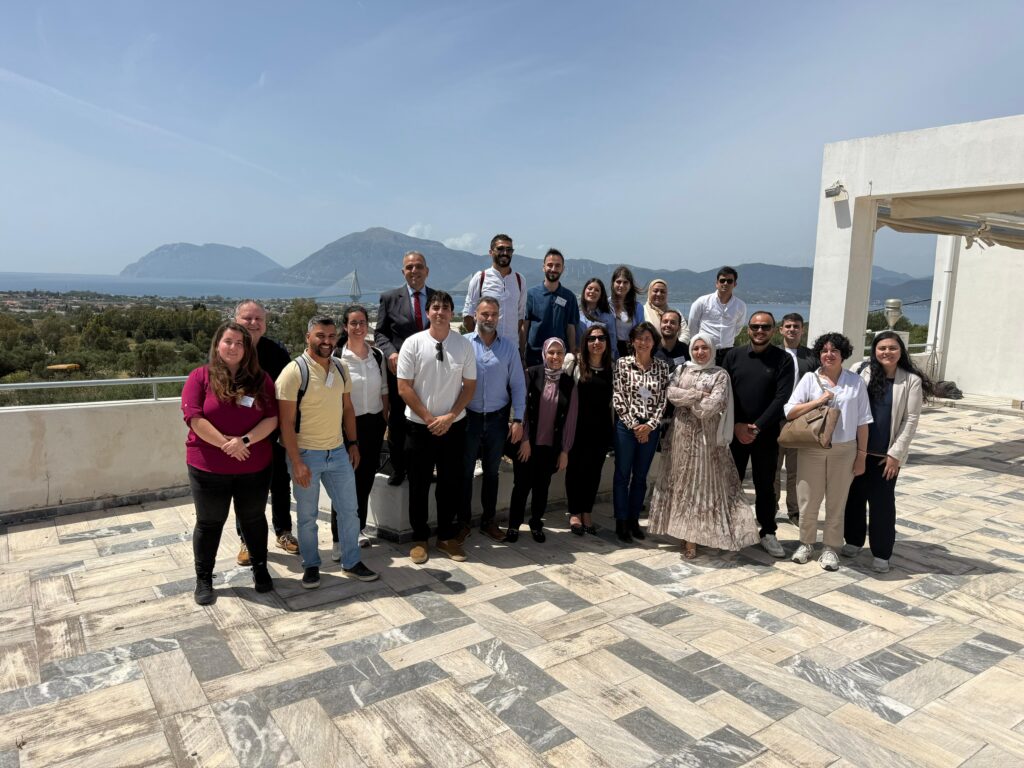
Imagen fija

Autor: lucia@kapak.es

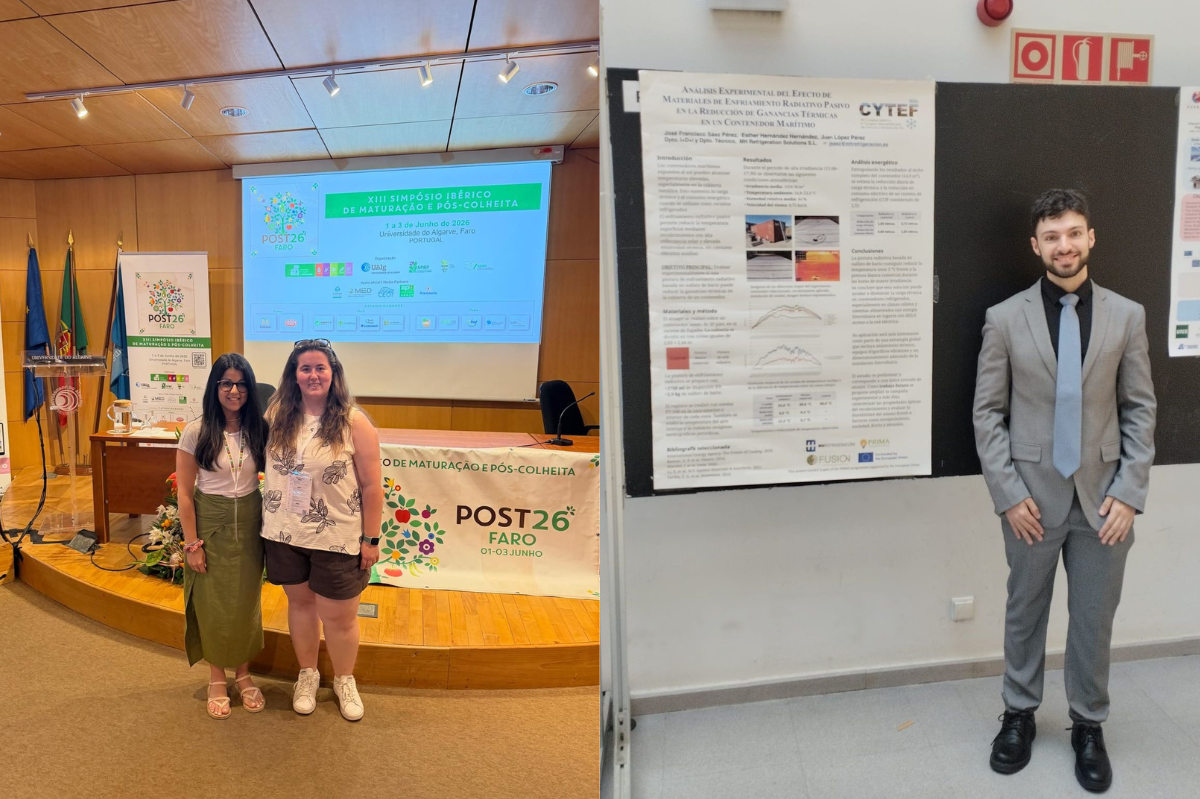
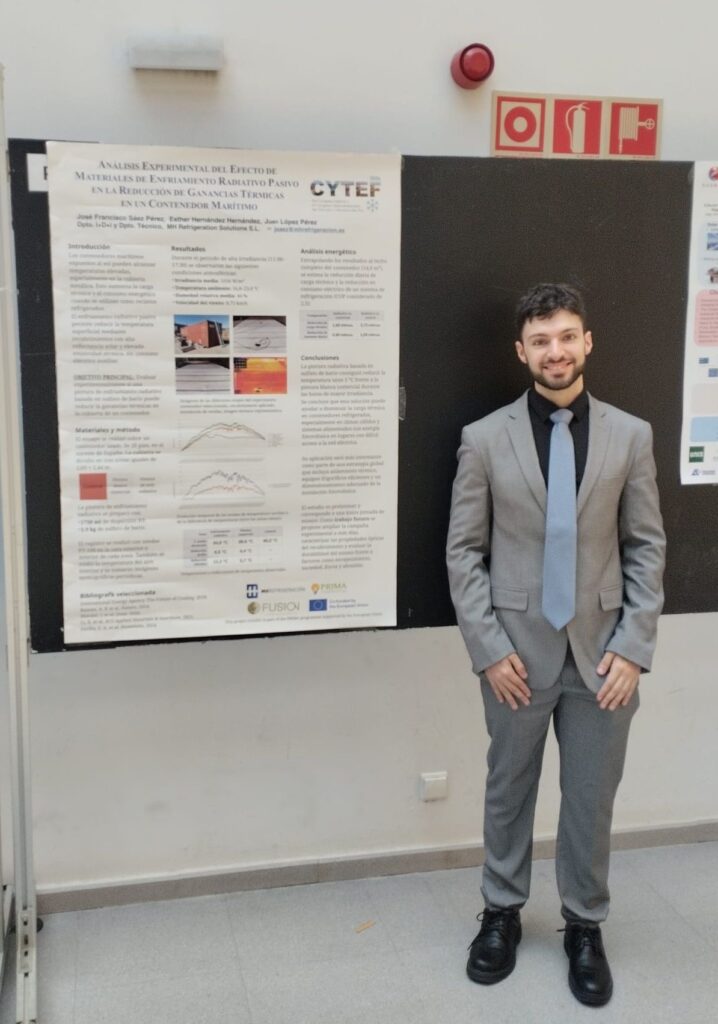
  • MH Refrigeration Solutions: Portable Cold Room to Reduce Tomato and Pepper Losses

    MH Refrigeration Solutions: Portable Cold Room to Reduce Tomato and Pepper Losses

    MH Refrigeration Solutions: Portable Cold Room to Reduce Tomato and Pepper Losses

    MH Refrigeration Solutions, S.L., based in Murcia, Spain, is participating in the European FUSION project, bringing its expertise in industrial refrigeration. Their main contribution is the design and implementation of a Portable Cold Room (PCR), aimed at preserving food quality from harvest, even under challenging climatic conditions.

    Four Decades of Expertise Applied to FUSION
    The company has over 40 years of experience in industrial refrigeration, providing custom-made solutions and covering the entire project lifecycle, from conceptual engineering to final validation. In FUSION, MH Refrigeration applies this expertise to the challenge of reducing food loss in the tomato and pepper value chains.

    The Technical Core: Portable Cold Room
    The PCR is a mobile and efficient storage solution:

    • Circular economy: built from repurposed maritime containers, providing a standardized and transportable structure.
    • Advanced thermal insulation: high-density materials minimize heat transfer and maintain stable internal temperatures.
    • Natural refrigerants and redundancy: uses R-290 (propane) and modular units, increasing efficiency and ensuring cooling continuity in case of component failure.
    • Solar-powered autonomy: designed to operate mainly on solar energy, with batteries and thermal storage to maintain continuous operation.

    Impact on the Value Chain
    The PCR is optimized for the temporary storage of tomatoes and peppers, helping extend shelf life, reduce post-harvest losses, and improve the economic stability of farmers in the Mediterranean and North African regions. Its modular design allows adaptation to other perishable products in the future.

    Role within the FUSION Consortium
    Within the consortium, MH Refrigeration Solutions ensures that the innovations developed can be implemented under real industrial conditions, integrating different technologies and following rigorous validation and safety procedures.

    Next Steps
    The project will continue with the field implementation of the PCR, aiming to demonstrate that this technology can preserve product quality and contribute to reducing food losses.

  • Consumers Lebanon Contribution to the FUSION Project

    Consumers Lebanon Contribution to the FUSION Project

    Consumers Lebanon Contribution to the FUSION Project

    How do we ensure that high-tech solutions for food waste actually work for a small farmer in rural Lebanon? This is the core mission of Consumers Lebanon (CONL) within the FUSION project. As a civil society organization with over a decade of experience, CONL acts as the vital bridge between scientific research and real-world social impact.

    1. Validating Technology for the Real World

    While universities develop innovative machinery, CONL ensures these tools are «field-ready.» In collaboration with the Technical University of Cartagena (UPCT), CONL is testing a hybrid solar/biomass dehydration prototype.

    • The Goal: Transform tomato and pepper by-products into healthy dehydrated snacks.
    • The Focus: CONL assesses everything from energy consumption and microbiological safety to «consumer acceptability»—ensuring the final product is something people actually want to eat and can afford to produce.

    2. From Local Knowledge to Global Best Practices

    Innovation cannot happen in a vacuum. Under Work Package 4, CONL has been deep in the field, interviewing farmers and retailers to identify the structural and behavioral causes of food loss in Lebanon. These insights have directly shaped the regional Guide of Good Practices, ensuring that FUSION’s recommendations are not just theoretically sound, but culturally and economically appropriate for Mediterranean communities.

    3. Training and Empowering Stakeholders

    The most visible face of CONL’s work is its leadership in outreach. A standout moment was the multi-stakeholder workshop in Zahle (November 2025), which brought together researchers, policymakers, and farmers to discuss the tomato and pepper value chains. Beyond local workshops, CONL has represented the FUSION vision at international stages, such as the EAAE Congress in Bonn, connecting grassroots Lebanese experiences with global academic dialogues.

    4. The Social Dimension: Will it be Accepted?

    A technology is only successful if the community adopts it. Working on the Social Life-Cycle Assessment (s-LCA), CONL analyzes how FUSION’s innovations impact employment and community structures. Their surveys show a strong local interest in low-cost solutions like drying, proving that there is a path forward for sustainable, home-based food processing in Lebanon.

    A Vision for Resilience

    In a time of economic constraints, Consumers Lebanon’s role ensures that FUSION isn’t just a technical exercise, but a lifeline for food security. By linking local engagement with international research, they are helping build a more resilient and inclusive food system across the Mediterranean.

  • FUSION project workshop in Zahle

    FUSION project workshop in Zahle

    FUSION project workshop in Zahle

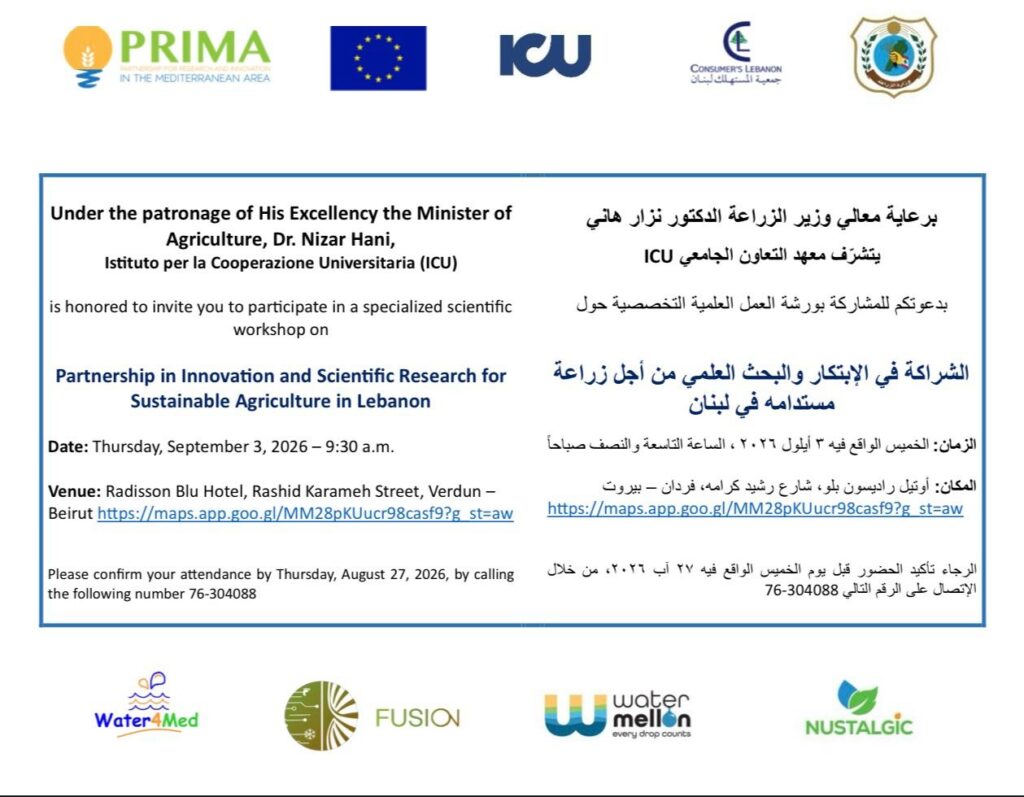
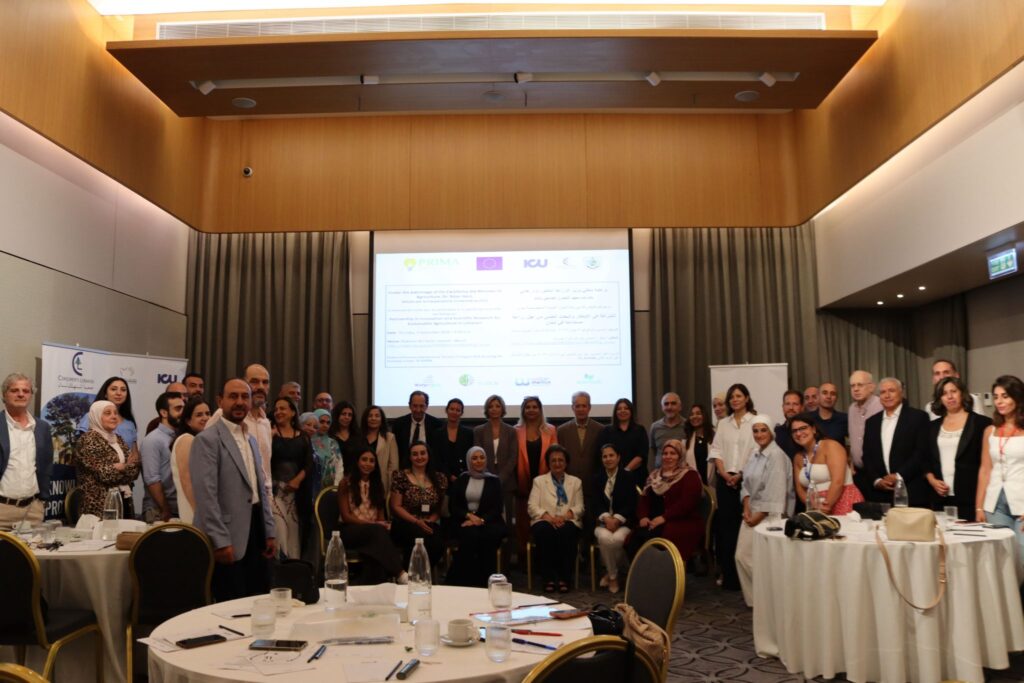
    A workshop entitled “Collaborative Assessment of Food Loss and Waste in Lebanon: Challenges and Pathways for Action in the Tomato and Pepper Value Chains” was successfully held on Wednesday, 19 November 2025, at the Chamber of Commerce and Industry in Zahle, Lebanon.

    Organised within the framework of the FUSION project, the event brought together key stakeholders from the agricultural and food sectors to discuss the main challenges affecting food loss and waste in the tomato and pepper value chains, as well as to explore practical and collaborative solutions adapted to the Lebanese context.

    The workshop provided a platform for open dialogue and knowledge exchange, allowing participants to identify current bottlenecks, share experiences, and discuss innovation-driven approaches that can contribute to reducing losses and strengthening food system resilience in Lebanon.

    The event was jointly organised through the collaboration of Consumers Lebanon and the Institute for University Cooperation (ICU). A special contribution was made by Eng. Haidar Sleiman, founder of the Suncode project, who shared insights on dried tomato and pepper production and presented recent innovations in this field.

    The organisers expressed their appreciation to the PRIMA Programme, the European Union, and all project partners and participants for their continued support and active engagement. Through initiatives like this workshop, the FUSION project continues to foster collaboration and collective action towards more sustainable and resilient tomato and pepper value chains across the Mediterranean region.

  • Scientific Innovation and Capacity Building in Egypt’s Agri-Food Chain

    Scientific Innovation and Capacity Building in Egypt’s Agri-Food Chain

    Scientific Innovation and Capacity Building in Egypt’s Agri-Food Chain

    While the FUSION project begins its diagnostic phase on the ground, the Agricultural Research Center (ARC) is looking beyond data collection to drive a technological shift in how Egypt handles its produce. By integrating advanced research with grassroots empowerment, the project aims to turn post-harvest challenges into economic opportunities for the tomato and pepper sectors.

    Scientific Innovation: Nature’s Shield for Fresh Produce
    One of the most exciting frontiers of the FUSION project is the application of advanced biotechnology. ARC is leading scientific trials on natural and safe edible coatings. In the intense Egyptian climate, tomatoes and peppers lose moisture rapidly. These coatings act as a breathable “second skin,” slowing down respiration and protecting the fruit from spoilage without the need for chemical preservatives. This «clean label» approach not only keeps produce fresher for longer but also opens doors to lucrative international export markets.

    Standardizing Excellence across the Delta and Upper Egypt
    To ensure these innovations reach every corner of the country, from the humid Delta (Kafr El-Sheikh, Beheira) to the arid Upper Egypt (Luxor, Aswan), FUSION is developing a comprehensive training ecosystem. Rather than dense reports, the focus is on:

    • Visual Learning: High-quality videos and infographics that translate complex post-harvest science into practical steps.

    • Smart Solutions: Technical demonstrations on advanced cooling to remove «field heat» and smart packaging to survive long-distance transport.

    Sustainability Beyond the Crop
    The work led by ARC within FUSION represents a vital step toward a resilient Mediterranean food system. By reducing post-harvest losses, we are not just saving food; we are conserving the water, labor, and energy invested in every harvest. Through this blend of smarter science and hands-on training, FUSION is ensuring Egypt’s agricultural sector is equipped for the challenges of the 21st century.

  • FUSION Project holds its Second General Assembly in Egypt

    FUSION Project holds its Second General Assembly in Egypt

    FUSION Project holds its Second General Assembly in Egypt

    The FUSION project consortium held its Second General Assembly in Cairo, Egypt (September 15–17, 2025), bringing together partners from across the Mediterranean to review progress and strengthen collaboration on actions aimed at reducing food loss and waste in tomato and pepper value chains.

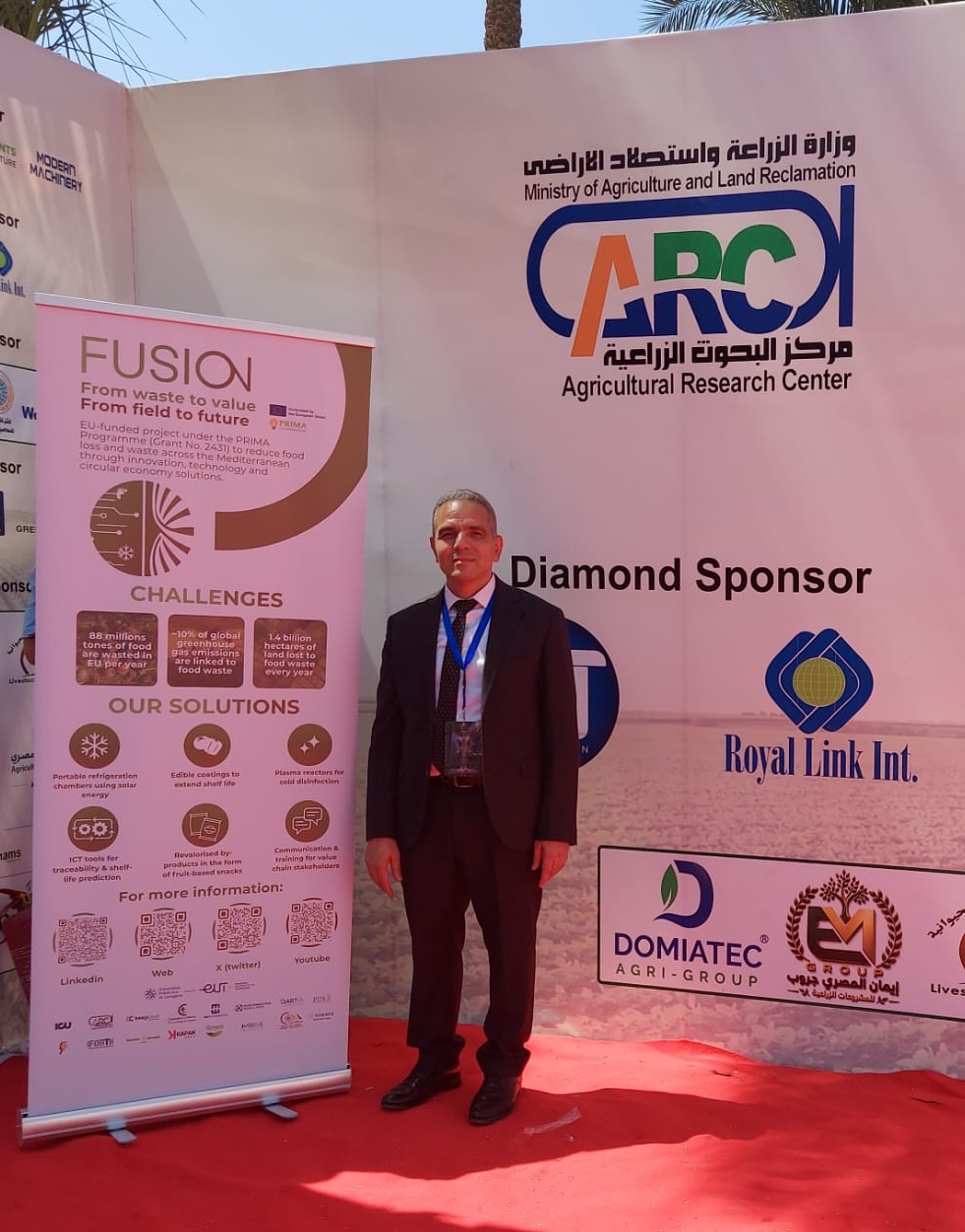
    Strengthening collaboration and knowledge exchange The meeting, hosted by the Agricultural Research Center (ARC) and the Plant Protection Research Institute (PPRI), opened with institutional welcome remarks from Prof. Ahmed El Sayed Abd El Mageed (Director of PPRI), Prof. Encarna Aguayo (FUSION Coordinator, UPCT), and Prof. Adel El Sayed Hatem (ARC).

    Expert presentations addressed the journey of Egyptian agriculture from field to market and innovative opportunities in the drying sector. A highlight was the participation of the «Dried Company», which presented how drying tomatoes and peppers can enhance food security and reduce post-harvest losses.

    Advancing Work Package 4: Training and Good Practices
    A central focus was the progress of Work Package 4 (WP4). Partners, led by UPCT and GDS, discussed technical recommendations and the development of training contents. These materials are designed to empower farmers and agribusiness workers with practical, accessible solutions for post-harvest handling, ensuring they are adaptable across different Mediterranean contexts.

    Aligning next steps and Technical Innovation
    Partners reviewed upcoming deliverables and demonstration plans for FUSION technologies. The meeting concluded with a technical visit to the Dried Company’s facilities in the industrial zone of 6th October City, Giza. Participants observed industrial-scale heat and freeze-drying processes, gaining first-hand knowledge of how these treatments significantly reduce food loss while creating new market opportunities.

    Building momentum for impact
    The General Assembly reinforced the shared commitment to delivering tangible, scalable solutions. By combining innovation, training, and real-world demonstration, FUSION continues to move forward in its mission to promote more sustainable and resilient food systems across the Mediterranean.

  • Raising Consumer Awareness on Food Waste Reduction in Lebanon

    Raising Consumer Awareness on Food Waste Reduction in Lebanon

    Raising Consumer Awareness on Food Waste Reduction in Lebanon

    Within the framework of the FUSION project (PRIMA GA2431), consumer awareness-raising activities were successfully conducted in Lebanon during the first edition of the Al-Ain Summer Market. This seasonal event, organized by the international organization Peace of Art, is dedicated to supporting local entrepreneurs and promoting sustainable products in a community-driven environment.

    The FUSION activities were implemented by the Consumer’s Lebanon, acting as a key representative for the project. In collaboration with local associations and farmers, the initiative focused on engaging the public on the critical issue of food waste reduction, particularly for fruits and vegetables, among the most perishable food categories in the Mediterranean region.

    Held on July 25–26, 2025, in North Bekaa, the market provided an ideal platform to connect sustainability messages with daily consumption habits. Throughout the event, FUSION partners interacted directly with a wide range of visitors, raising awareness about:

    • The environmental and social impacts of food loss and waste.

    • Practical actions to reduce waste at the household level.

    • The socio-economic value of choosing local and seasonal produce.

    By engaging citizens in real-life settings and collaborating with local community events, FUSION continues to promote the behavioral changes and inclusive approaches necessary to build more resilient and sustainable agri-food systems across the Mediterranean.

  • Partners Meeting in Egypt

    Partners Meeting in Egypt

    Partners Meeting in Egypt

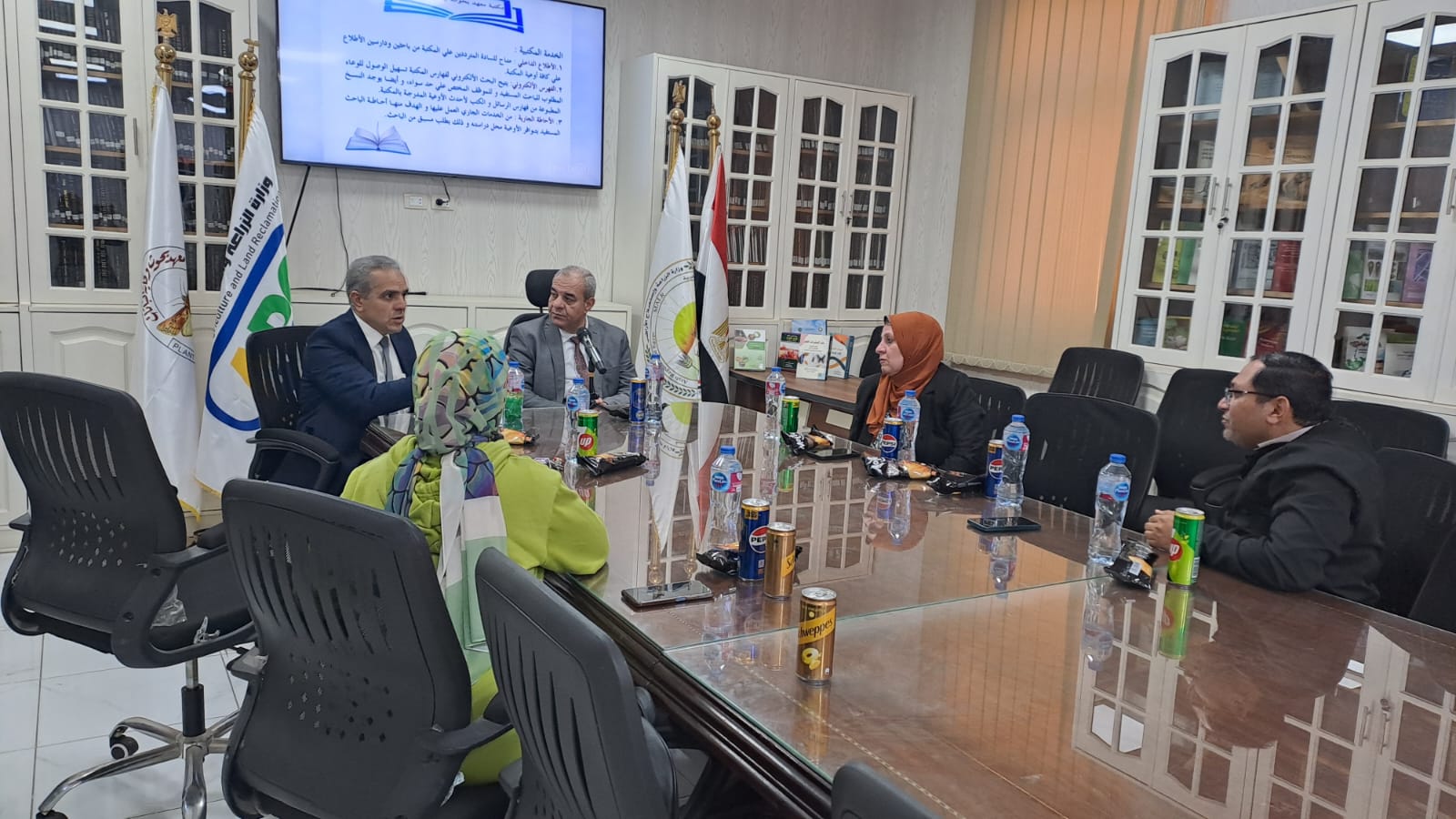
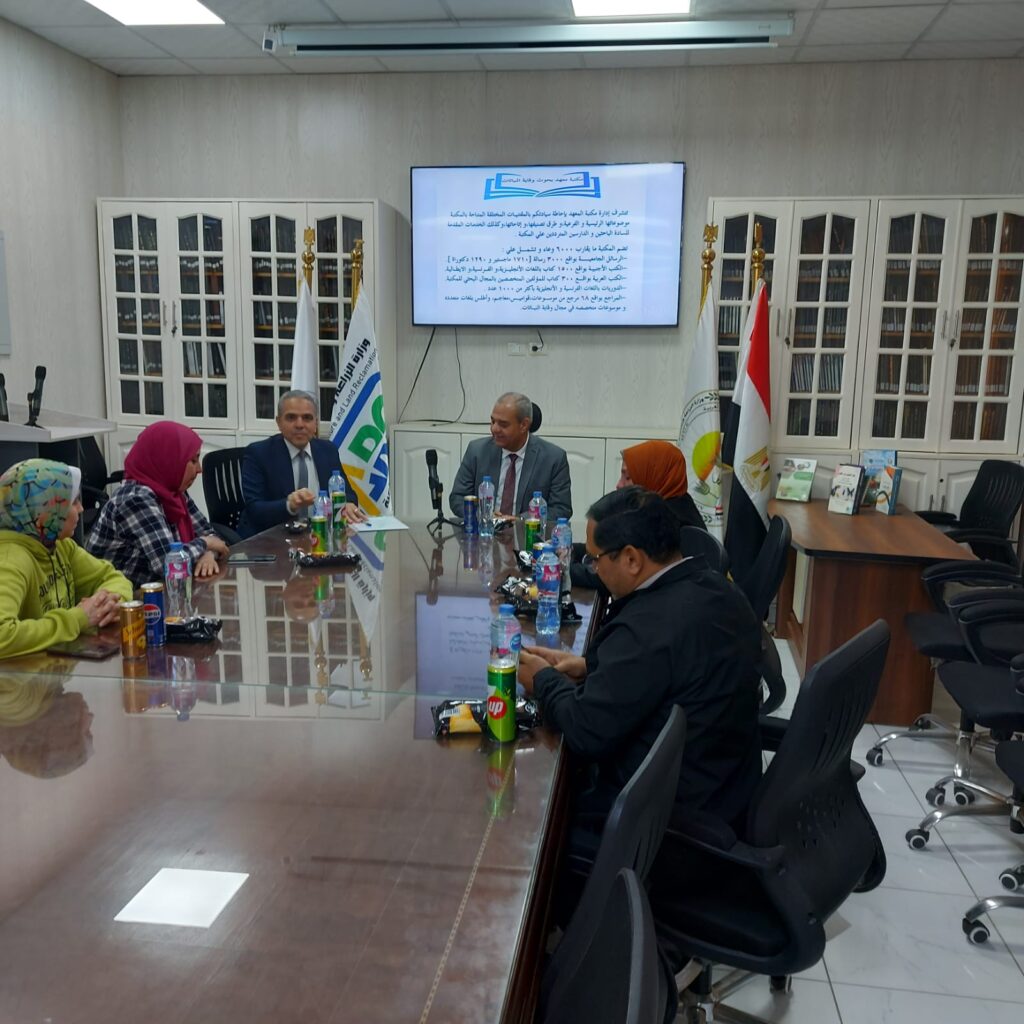
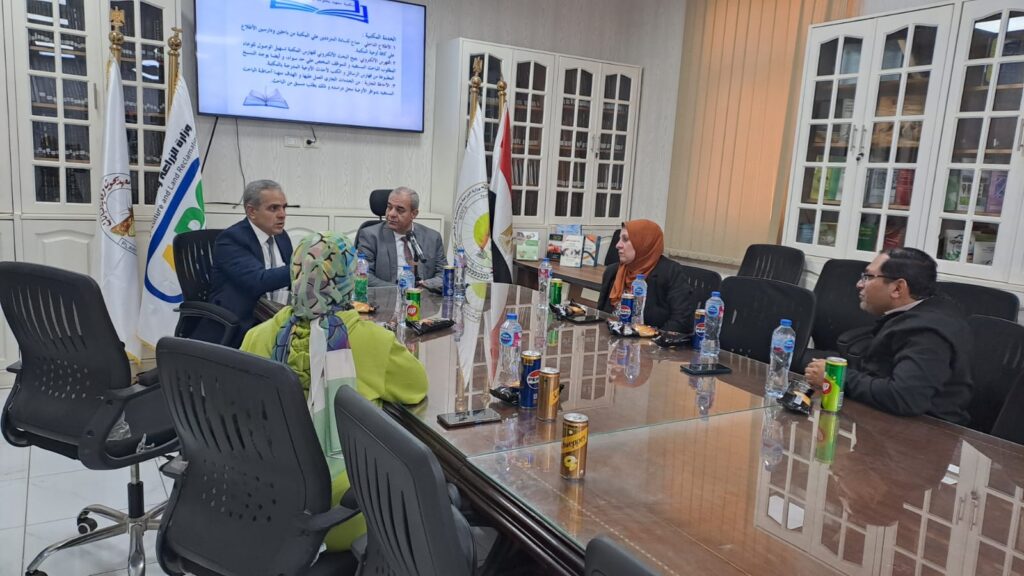
    The Agricultural Research Center (ARC) has launched the first phase of field activities for the European FUSION Project, focusing on the tomato and pepper value chains. The coordination meeting brought together representatives from ARC, the Egyptian Atomic Energy Authority – EAEA, and Participatory Development Solutions – ElMahrousa PDS, marking a key step toward implementing innovative solutions to reduce food loss in Egypt.

    During the meeting, the partners established clear roles and responsibilities and adopted a standardized survey tool to collect field-level data, identify pre- and post-harvest challenges, and gain a detailed understanding of food loss, handling practices, and storage issues.

    The survey targets were defined as follows:

    • Tomatoes: 12–15 surveys covering both open-field and greenhouse systems

    • Peppers: 10–15 surveys, including local varieties and international types such as California Wonder and Lamuyo

    Field activities will cover 25 to 30 representative production zones, including:

    • Delta: Kafr El-Sheikh, Qalyubia, Dakahlia, and Beheira

    • Middle Egypt: Fayoum, Beni Suef, and Giza

    • Upper Egypt: Minya, Luxor, and Aswan

    To document the process, the team will produce short videos capturing the five key post-harvest stages, while working closely with local farmers, exporters, and authorities to ensure accurate data collection and validation of best practices.

    These efforts represent a crucial first step toward data-driven, sustainable solutions aimed at reducing food loss and improving efficiency in the tomato and pepper value chains in Egypt, ultimately contributing to food security and sustainability across the region.

  • FUSION Project Kick Off Meeting in Cartagena

    FUSION Project Kick Off Meeting in Cartagena

    FUSION Project Kick Off Meeting in Cartagena

    From June 2 to 4, 2025, Cartagena (Spain) hosted the kick-off meeting of the FUSION project, a consortium dedicated to reducing fruit and vegetable loss and waste across the Mediterranean region. The event brought together 17 partners from eight countries -Spain, Italy, Greece, Turkey, Morocco, Egypt, Lebanon and Jordan- to launch the project, share expertise, and plan activities for the coming years.


    A Start Built on Collaboration

    The meeting began with a warm welcome from project coordinator Encarna Aguayo Giménez and UPCT representatives, highlighting the importance of cooperation and innovation for the success of FUSION.

    Each partner had the chance to introduce their organization and role within the project, emphasizing the diversity of experience and expertise that will contribute to the consortium’s objectives.

    Technical and financial sessions were also held to align partners on monitoring procedures, EU funding management, and administrative best practices, laying the foundation for transparent and efficient collaboration.


    Defining Work Packages and Responsibilities

    A central part of the kick-off was the presentation of FUSION’s eight Work Packages (WPs), covering everything from technology development to training, communication, and sustainability:

    • Good Practices & Training: developing interactive, practical materials for farmers and distributors.

    • Technology Demonstrations: showcasing innovations for post-harvest handling and preservation.

    • Sustainability & Future Exploitation: planning long-term impact and scalability of results.

    • Communication & Networking: ensuring knowledge and innovations reach all relevant stakeholders.

    These sessions allowed partners to clarify roles, establish timelines, and align strategies, ensuring coordinated progress across all work packages.


    Hands-On Learning and Field Visits

    The kick-off also included technical visits to key agricultural facilities, where partners could observe crops and post-harvest practices first-hand.

    Highlighted activities included:

    • Tours of bell pepper greenhouses and Sakata facilities.

    • Presentations on plant breeding and production processes.

    • Analysis of local transport and storage practices to identify challenges and innovation opportunities.

    These activities combined practical learning with collaborative workshops, reflecting the project’s approach: solutions that are effective and tailored to the real needs of Mediterranean farmers.


    A Strong Start for a Shared Vision

    The Cartagena kick-off marked a promising start for the FUSION project, bringing partners together around a common goal: reducing food loss and waste, improving product quality, and strengthening the Mediterranean agri-food sector.

    With innovative technologies, specialized training, and a clear action plan, the consortium is ready to turn ambition into tangible results over the coming years.

  • An holistic solution to minimize FLW in the Mediterranean basin

    An holistic solution to minimize FLW in the Mediterranean basin

    An holistic solution to minimize FLW in the Mediterranean basin

    Every year, the world produces more than enough food to feed everyone — yet a third of it never reaches our plates. According to the Food and Agriculture Organization (FAO), around 1.3 billion tonnes of food are lost or wasted annually. This represents not only an economic inefficiency but also an environmental crisis.

    Food that goes to waste still consumes precious resources: water, soil, energy, labour, and time. It accounts for nearly 10% of global greenhouse gas emissions, making food loss and waste (FLW) one of the largest contributors to climate change. If food wastage were a country, it would rank as the third-largest emitter, after China and the United States.

    The most affected food categories are fruits and vegetables, which spoil quickly under high temperatures and poor storage conditions. Among them, tomato and pepper crops deserve special attention in the target countries of the FUSION project, as they represent over 91% of tomato production and more than 93% of pepper production in the Mediterranean region.

    The FUSION project was created to change that story — to ensure that every tomato and pepper harvested in the Mediterranean has the chance to be consumed, not discarded.
    Food loss and waste occur for many reasons, most of them before food even reaches consumers. In Mediterranean countries, small and medium-sized farmers often face structural obstacles that make it difficult to keep produce fresh after harvest.

    Among the main causes are:

    • Lack of cold storage or unstable access to electricity in rural areas.
    • Inadequate packaging or handling, leading to bruising or spoilage during transport.
    • Market rejection of produce that doesn’t meet visual standards, even when perfectly edible.
    • Limited knowledge or infrastructure for preserving perishable crops.
    • Climate stress, including heat waves and droughts that accelerate deterioration.

    In some areas, post-harvest losses of tomatoes and peppers can reach 30–50%. This means that nearly half of what farmers grow never reaches the market — a tragic waste of resources and effort. And when food is wasted, so is everything behind it: the water used for irrigation, the energy for pumping and cooling, the fertilizers and packaging materials, and the human labour involved at every step.
    Reducing food loss and waste is therefore not just about saving food — it’s about saving the planet’s resources and ensuring a fairer food system.

    The Mediterranean basin is facing increasing pressure from climate change, water scarcity, and energy dependence. Tomatoes and peppers are two of the region’s signature crops, central to local diets and economies, but also among the most perishable and sensitive to temperature fluctuations. Their short shelf life makes efficient preservation essential — yet many production areas lack the infrastructure to achieve it.

    The region’s countries share similar challenges: smallholder-dominated agriculture, dependence on irrigation, and logistical barriers to reaching distant markets. At the same time, they share a common goal — ensuring food security and sustainability for future generations.

    Recognizing these shared needs, researchers, companies, and organizations from both sides of the Mediterranean have joined forces through the FUSION project, turning collaboration into action.

    A Mediterranean effort to transform food systems

    FUSION — “Comprehensive and sustainable solution to minimize food loss and waste and promote food security in the Mediterranean region” — is a three-year project (2025–2028) funded under the PRIMA Programme (Partnership for Research and Innovation in the Mediterranean Area) and coordinated by the Universidad Politécnica de Cartagena (UPCT, Spain). The project brings together 17 partners from Spain, Italy, Greece, Turkey, Egypt, Lebanon, Jordan, Morocco, and Tunisia, including universities, research centres, and small enterprises.

    Its central goal is to reduce food loss and waste by at least 40% in the tomato and pepper value chains, while improving environmental, social, and economic sustainability. To achieve this, FUSION integrates technological innovations, life cycle assessment, and education and communication strategies in a holistic approach that addresses the problem from seed to shelf, empowering communities with knowledge, tools, and solutions.

    What makes FUSION unique is its life cycle perspective — encompassing the entire food supply chain, from production to consumption and beyond, including revalorisation. Instead of treating food loss as an isolated issue, FUSION examines every stage where waste can occur and introduces innovations that make the whole system more resilient.

    Six complementary innovations to tackle food loss

    Climate-Resilient Seeds: Climate change is one of the biggest threats to Mediterranean agriculture. FUSION works with Sakata and Ramiro Arnedo (Spain) to identify and test tomato and pepper varieties that can withstand high temperatures and drought. These seeds maintain yield and quality even under stress, reducing resource use and stabilizing food supply.

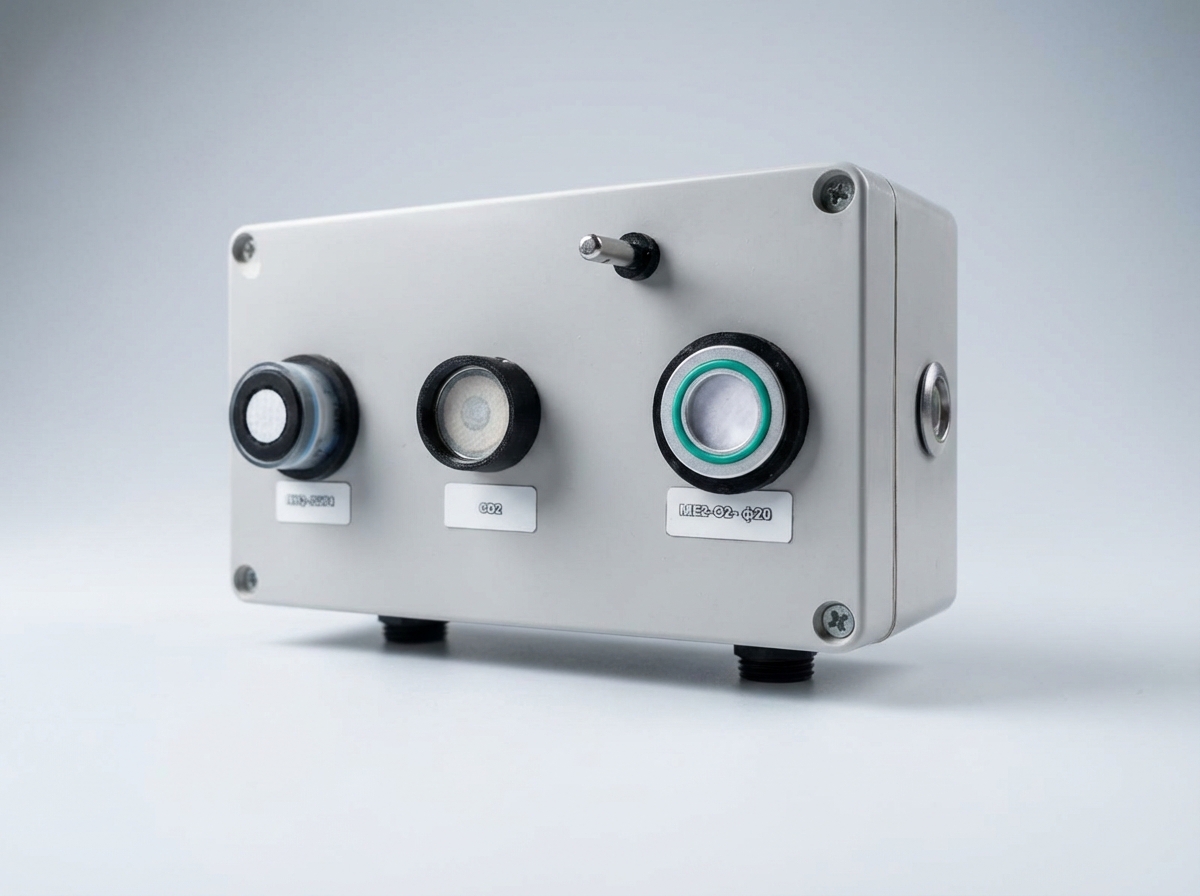
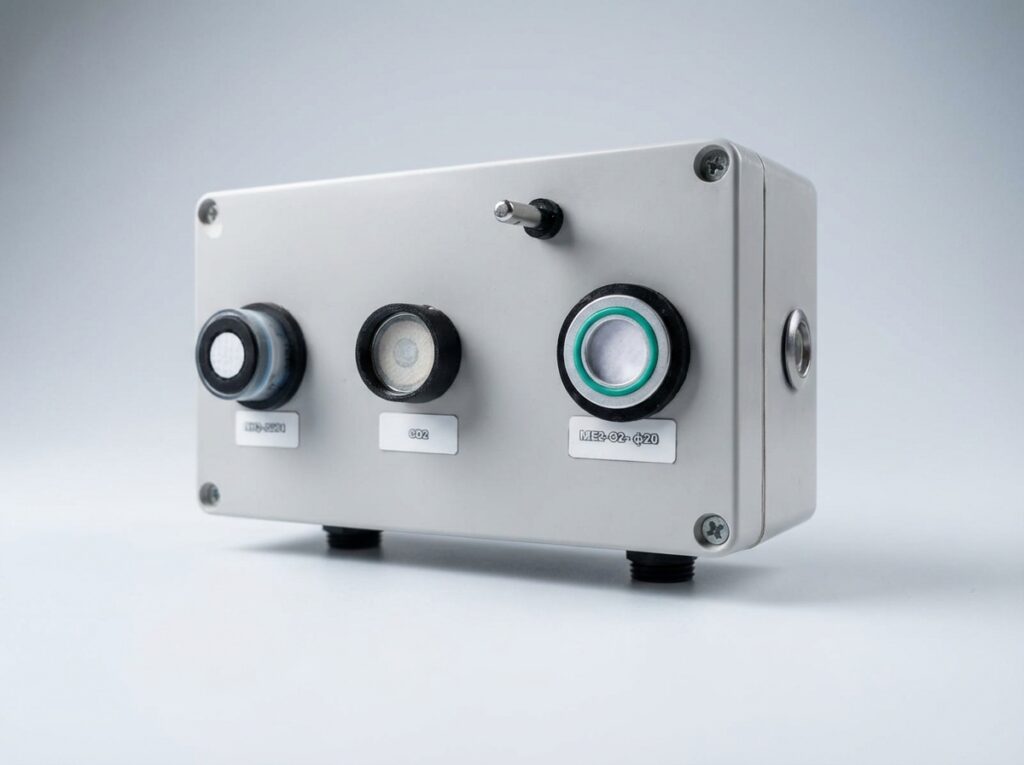
    Portable Solar Refrigeration Chambers: In many rural areas, farmers lack immediate access to cooling facilities after harvest. FUSION addresses this challenge by developing solar-powered portable refrigeration chambers that bring the cold chain directly to the field. Developed by MH Refrigeración, Keep Cool, Sun Connection, and Qartia Smart Technologies (Spain), these chambers integrate energy-efficient cooling, ethylene removal, air sanitization, and real-time monitoring of parameters such as CO₂, ethylene, temperature, and relative humidity. They can operate off-grid, preserving freshness while reducing energy costs and greenhouse gas emissions.

    Cold Plasma Disinfection: Microbial contamination is another major cause of spoilage. Instead of chemicals, FUSION’s cold plasma reactor uses electrically charged air to inactivate bacteria and fungi safely. Developed by FORTH (Greece), this innovation extends shelf life, improves hygiene, and protects the environment from chemical residues.

    Edible Coatings from Agricultural By-Products: Plastic packaging helps extend shelf life but comes at a high environmental cost. FUSION replaces it with natural edible coatings made from agricultural by-products such as broccoli leaves or grape pomace. Developed by UPCT (Spain) and the Agricultural Research Center (Egypt), these biodegradable coatings form a thin layer that slows dehydration and spoilage, helping products stay fresh longer while promoting circularity.

    ICT Tools for Traceability and Shelf-Life Prediction: FUSION brings digital intelligence to the food chain through smart sensors and artificial intelligence (AI). Developed by UPCT and Qartia Smart Technologies, the system monitors temperature, humidity, and ethylene levels during storage and transport. The data are used to predict shelf life and optimize logistics — helping farmers and retailers make informed decisions that prevent waste and save energy.

    Revalorisation of By-Products: Some losses are inevitable, but they can still have value. FUSION transforms unmarketable tomatoes and peppers into dehydrated snacks and natural purees, turning potential waste into income. UPCT is developing a hybrid solar dehydration prototype to revalue these by-products.

    Beyond technology: building awareness and resilience

    FUSION’s technologies will be tested under real conditions to ensure adaptability to different climates and markets. Partners from Lebanon, Italy, Morocco, Jordan, Egypt, and Turkey will collaborate to demonstrate results at local level.

    Yet technology alone cannot solve food loss and waste. That’s why FUSION also invests in training activities, demonstrations, and awareness campaigns, promoting good practices from farm to household.

    FUSION’s communication campaigns target not only professionals but also consumers, raising awareness of the environmental and ethical importance of reducing food waste at home. Kapak European Innovation leads this area of the project. In parallel, FUSION’s research activities will support policymakers and stakeholders in designing more effective strategies for sustainable food systems across the Mediterranean region.

    Complementary tools will assess environmental performance (Environmental Life Cycle Assessment, e-LCA), economic viability (Life Cycle Costing, LCC), and social benefits (Social LCA, s-LCA), ensuring that the proposed solutions are practical, affordable, and equitable.

    FUSION is also a social initiative, aiming to empower small farmers, create local employment, and promote gender equality.

    Toward a circular and resilient Mediterranean food system

    By the end of the project, FUSION expects to deliver tangible and measurable impacts across the food chain:

    • Up to 40% reduction in food loss and waste for tomatoes and peppers.
    • 25–30% longer shelf life for fresh produce through improved coatings and cold storage.
    • Lower greenhouse gas emissions from avoided production and landfill waste.
    • Reduced water and energy use during cultivation and post-harvest handling.
    • Significant cut in plastic packaging through biodegradable materials.
    • New business models for by-product revalorisation, boosting rural economies.

    The vision behind FUSION goes beyond saving food — it’s about transforming the way we produce, distribute, and consume.
    By combining technology, knowledge, and education, FUSION lays the foundation for a circular and resilient Mediterranean food system, where innovation benefits both people and the planet.

    Authors: Laura Rasines and Encarna Aguayo
    Universidad Politécnica de Cartagena (UPCT, Spain)