Imagen fija

Categoría: Uncategorized

  • New Scientific Publication Highlights the Potential of Cold Plasma Technologies

    New Scientific Publication Highlights the Potential of Cold Plasma Technologies

    New Scientific Publication Highlights the Potential of Cold Plasma Technologies

    The Institute of Chemical Engineering Sciences (FORTH/ICE-HT), a partner of the FUSION project, has published new scientific research that further demonstrates the potential of cold plasma technologies.

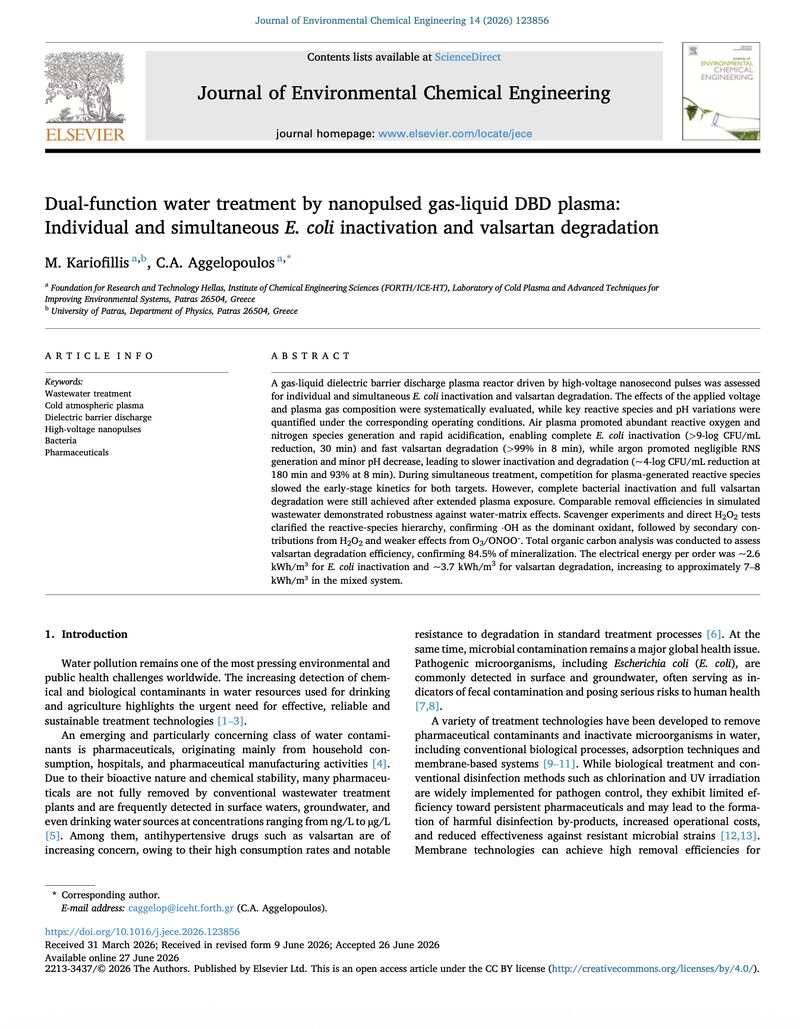
    The peer-reviewed paper, entitled «Dual-function water treatment by nanopulsed gas-liquid DBD plasma: Individual and simultaneous E. coli inactivation and valsartan degradation», demonstrates how cold plasma technology can simultaneously inactivate microbial contaminants such as E. coli and degrade pharmaceutical residues, including valsartan, in water.

    Although the study focuses on water treatment, it further demonstrates the versatility and effectiveness of cold plasma technologies, one of the key innovations being explored within the FUSION project.

    Similar plasma-based approaches are being investigated in FUSION to reduce microbial contamination on fresh fruits, contributing to safer food and lower post-harvest losses across the Mediterranean.

    Scientific advances such as this reinforce FUSION’s mission of developing innovative and sustainable technologies that improve food preservation, resource efficiency, and the resilience of agri-food systems.

  • FUSION Research Showcased at International Scientific Events

    FUSION Research Showcased at International Scientific Events

    FUSION Research Showcased at International Scientific Events

    The FUSION project continues to share the work of its partners through participation in international scientific and technical events, providing opportunities to present ongoing research and exchange knowledge with the wider scientific community.

    Advancing Sustainable Food Preservation

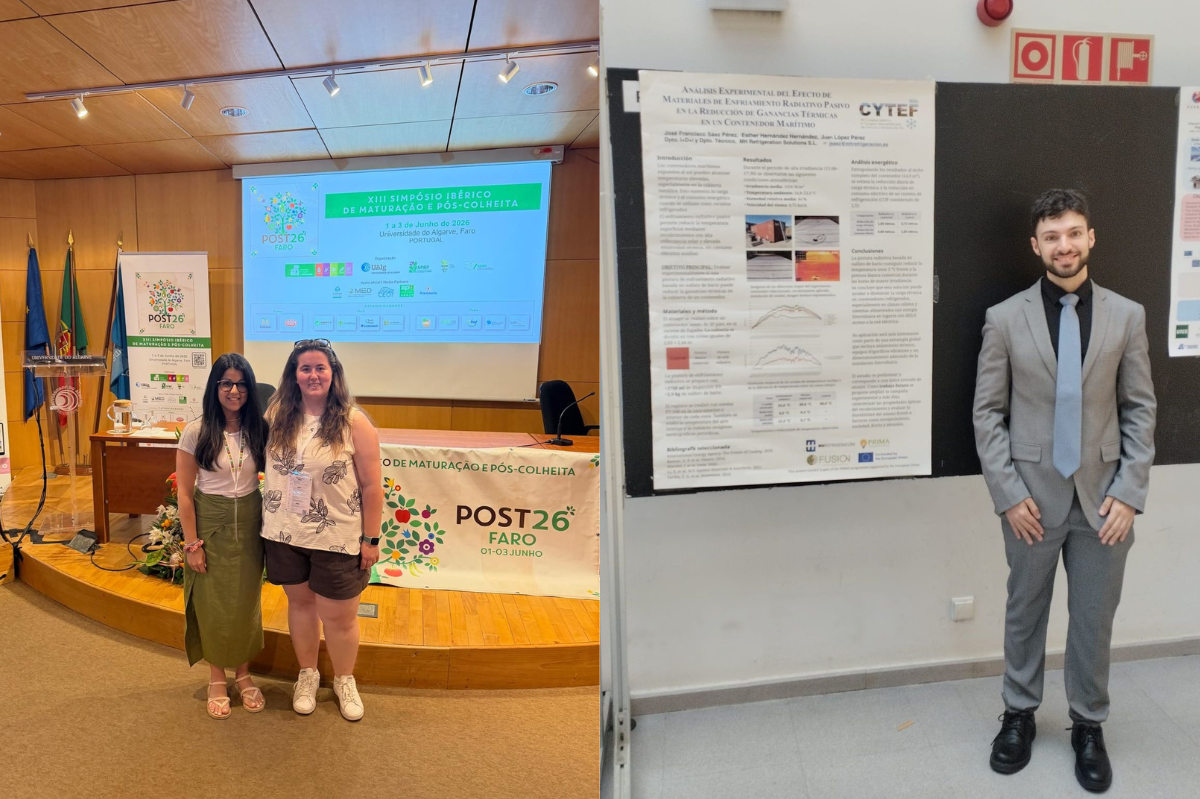
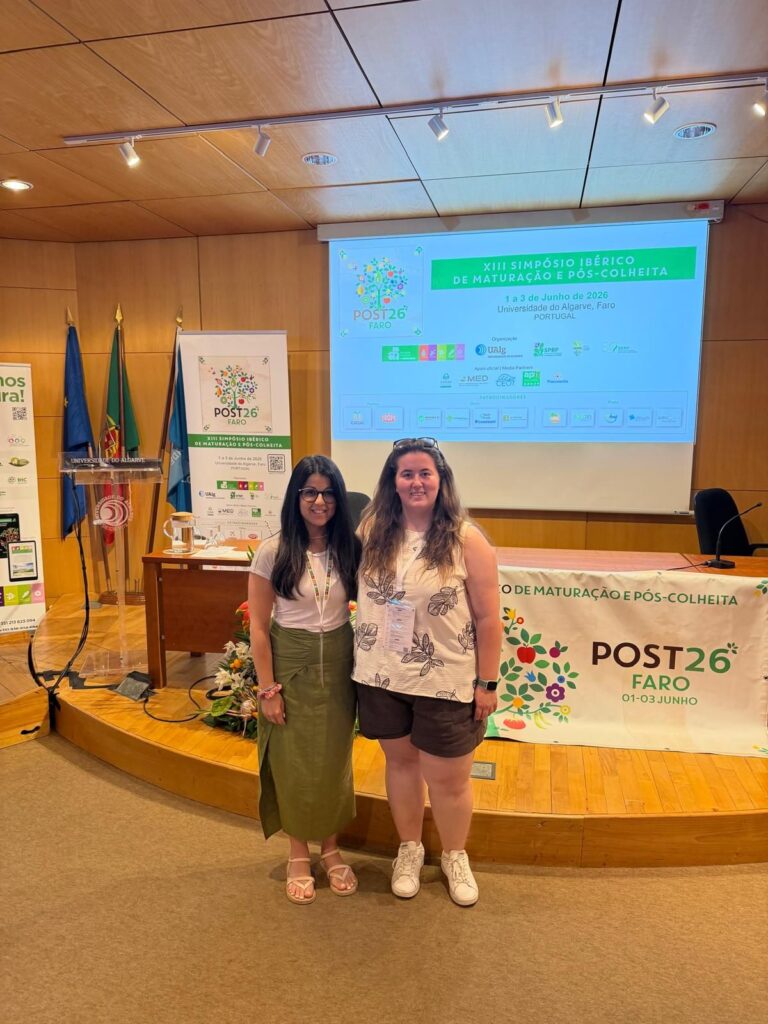
    Researchers from the Universidad Politécnica de Cartagena (UPCT), coordinator of the FUSION project, presented research exploring the recovery of bioactive compounds from olive leaf brine for potential antifungal applications.

    The study highlights the potential of these extracts as natural antifungal agents and explores how agricultural residues can be transformed into valuable resources. This research supports more sustainable food preservation strategies and contributes to the development of a more sustainable agri-food sector, in line with the objectives of the FUSION project.

    The symposium also provided an opportunity to exchange knowledge, explore recent advances in postharvest science and technology, and strengthen scientific collaboration between institutions.

    Improving Cold Storage Efficiency

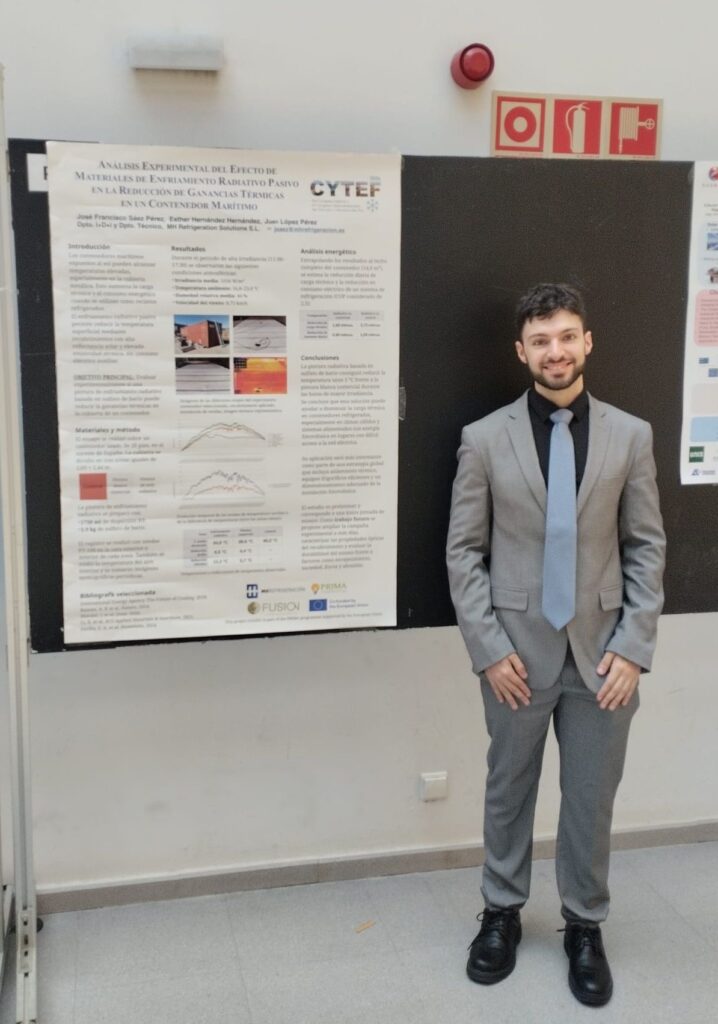
    MH Refrigeration Solutions also presented a preliminary study on the use of passive radiative cooling to improve the thermal performance of portable storage systems.

    The research investigates whether a low-cost barium sulfate-based radiative cooling coating can significantly reduce heat gain on the roof of a shipping container without requiring additional energy consumption.

    Within the FUSION project, portable refrigerated containers are being developed to help reduce food loss in tomato and pepper value chains. According to the study, complementing the container’s insulation with passive radiative cooling may help reduce heat gains inside the container, lower the energy demand of the refrigeration system, improve energy efficiency, and reduce operational costs.

    Sharing Knowledge for More Sustainable Food Systems

    The participation of FUSION partners in scientific events reflects the project’s commitment to sharing research, exchanging knowledge, and promoting innovative solutions that contribute to reducing food loss and waste across the Mediterranean.

  • Strengthening Regional Cooperation for Food Security: The FUSION Project at the Green Arab Corridor Workshop

    Strengthening Regional Cooperation for Food Security: The FUSION Project at the Green Arab Corridor Workshop

    Strengthening Regional Cooperation for Food Security: The FUSION Project at the Green Arab Corridor Workshop

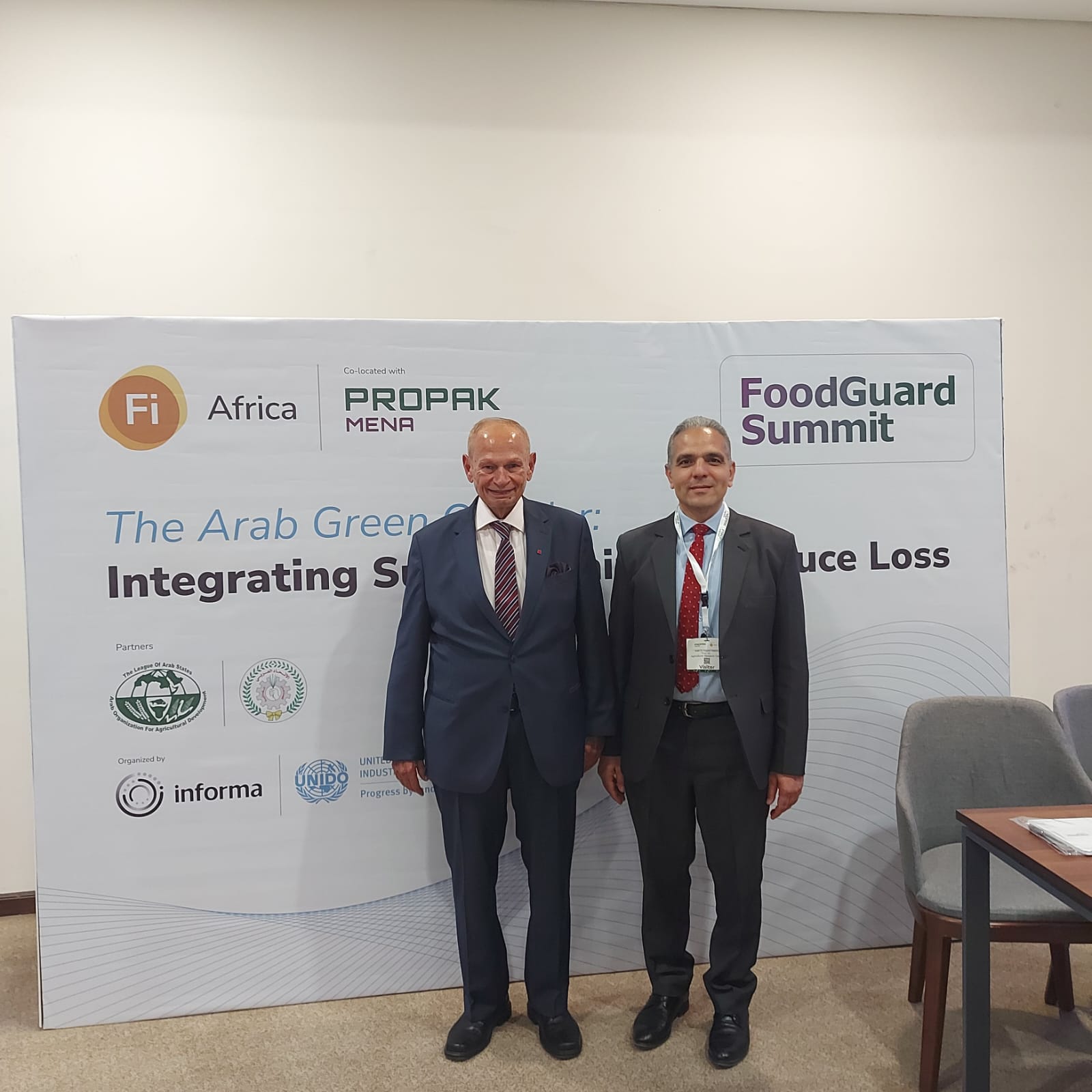
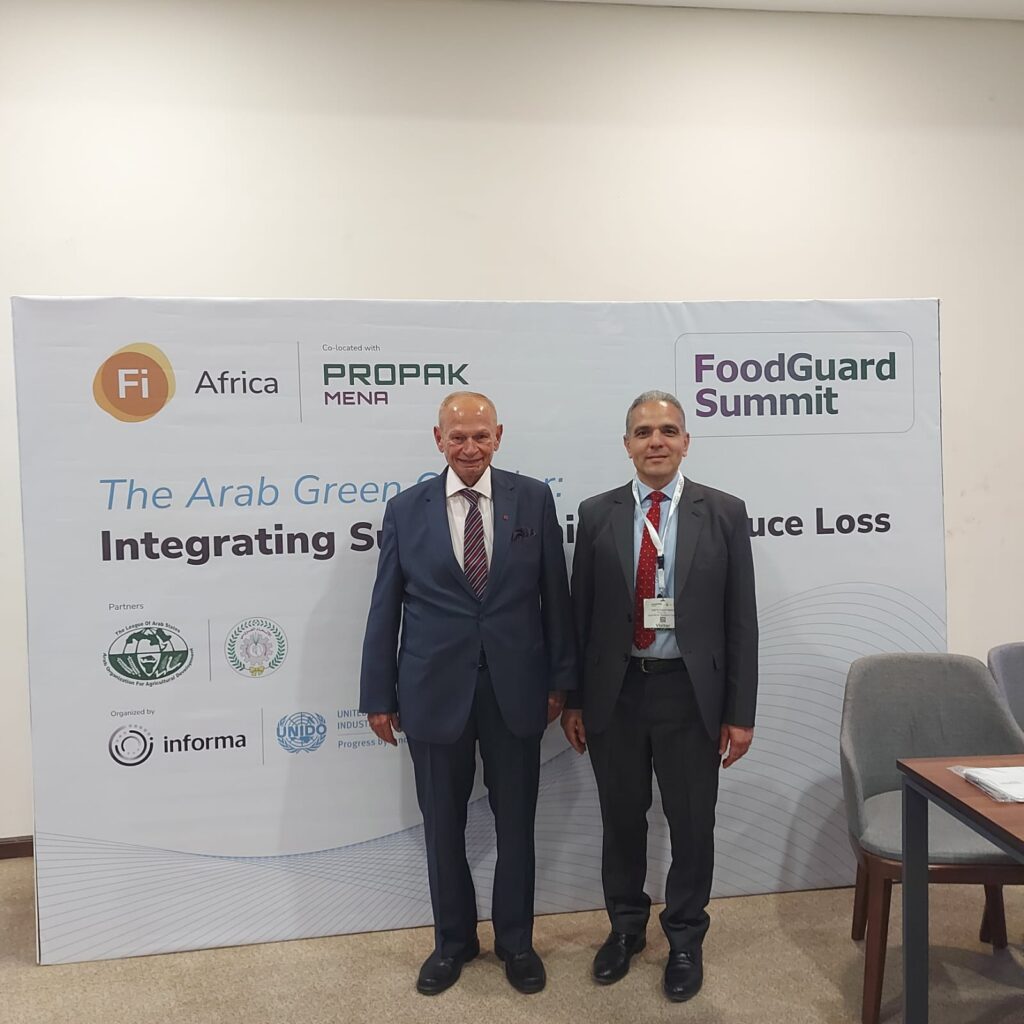
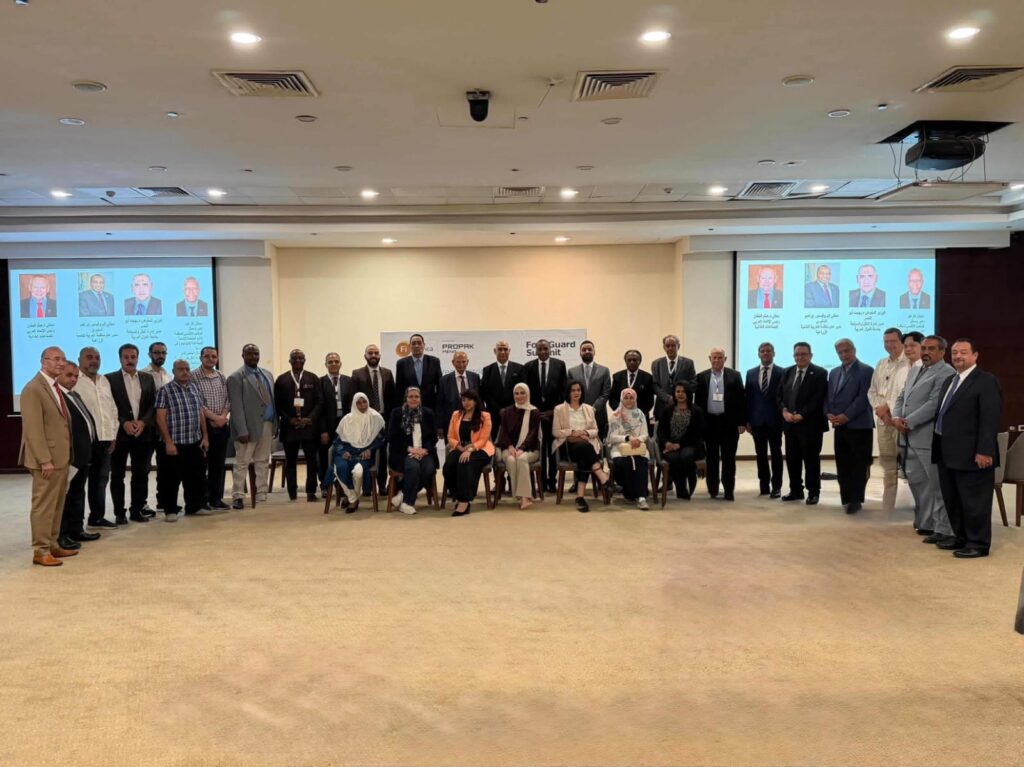
    The FUSION project continues to expand its collaborative footprint across the Mediterranean and Arab regions. On June 3, 2026, the Green Arab Corridor Workshop took place in Cairo, Egypt, serving as a strategic hub for leading Arab experts, policymakers, and regional organizations. The workshop addressed critical challenges currently impacting agricultural value chains, such as infrastructure constraints, logistical bottlenecks, procedural complexities, and the pressing need for greater transparency.

    As a project dedicated to minimizing food loss and waste (FLW) through cross-border synergy, FUSION was prominently represented at this high-level forum.

    Key Contributions from FUSION Partners

    The event featured valuable insights from key members of the FUSION consortium, bridging technical research with consumer-driven sustainability:

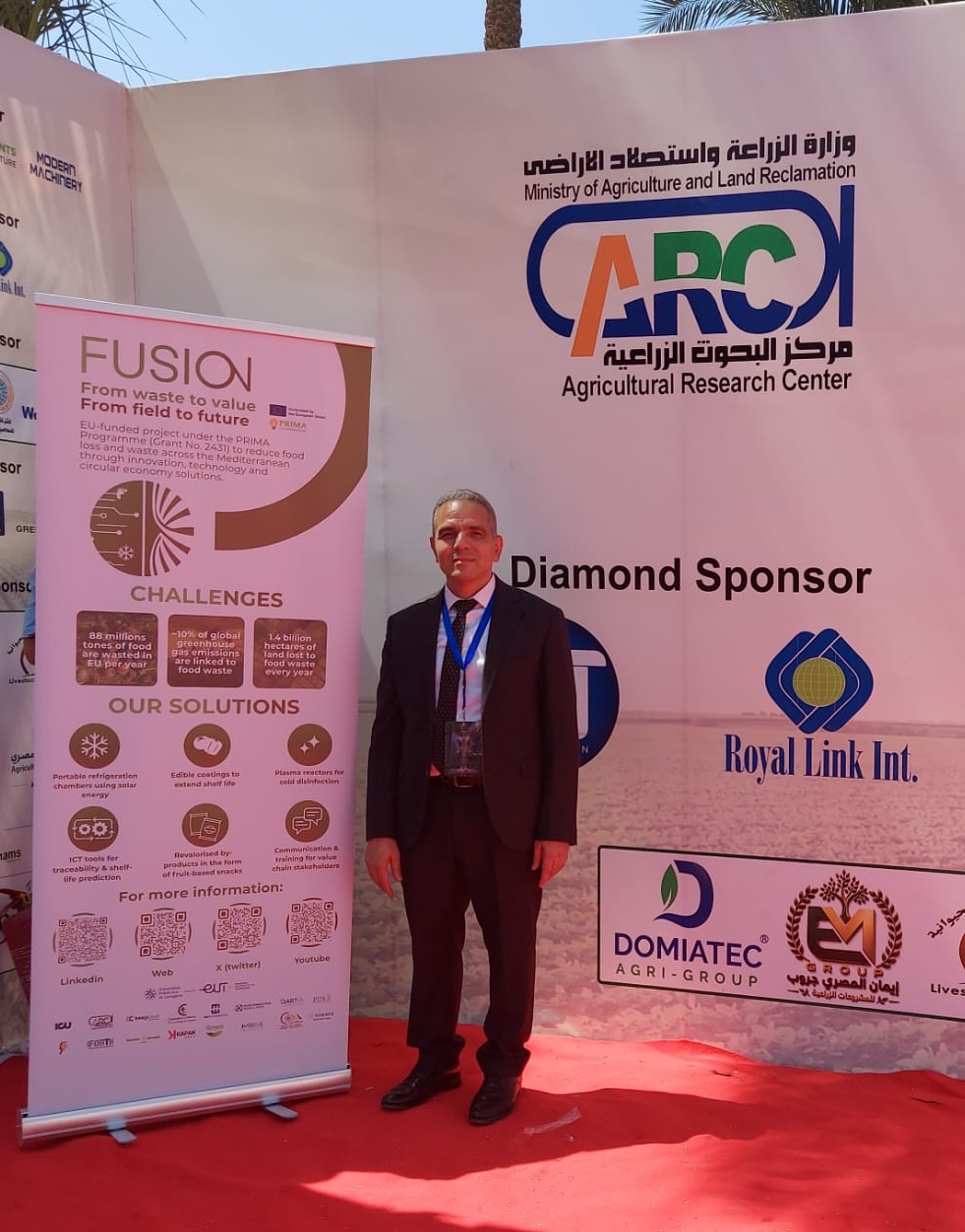
    • Dr. Adel El Sayed Abd El Razek Hatem participated on behalf of the Agriculture Research Centre (ARC) of Egypt. Dr. Hatem engaged in crucial regional discussions focused on dismantling barriers in food supply chains and establishing better regional coordination to facilitate agricultural trade.

    • Dr. Nada Nehme, representing Consumers-Lebanon, delivered one of the most notable sessions of the workshop. She emphasized the critical role that consumers play in reducing food loss and shared successful milestones from Lebanon in building more resilient, sustainable, and consumer-aware food supply chains.

    Strategic Alignment: Innovation and Trade

    Participants at the workshop explored innovative and practical approaches that align directly with FUSION’s core objectives. The thematic focus of the sessions closely mirrors our project’s dedication to sustainable post-harvest technologies and knowledge exchange:

    • Smart Packaging & Storage: Analyzing advanced infrastructure solutions to protect perishable products and maximize shelf life.

    • Advanced Logistics: Identifying practical approaches to improve transport systems and reduce transit losses.

    • Standards & Quality: Discussing sanitary and phytosanitary standards to enhance food safety.

    • The Green Arab Corridor Initiative: Utilizing this framework as a strategic tool to strengthen regional cooperation and secure food supply lines across the region.

    Fostering a Sustainable Mediterranean and Arab Region

    The alignment between this workshop and the PRIMA-funded FUSION Project underscores the power of multi-stakeholder dialogue. By bringing together science, policy, and civil society, these initiatives pave the way for a more food-secure future. Dr. Hatem expressed his gratitude for the opportunity to collaborate with such a distinguished panel, reinforcing FUSION’s commitment to continuous dialogue and the co-creation of sustainable food systems.

  • Success and High Engagement at the Round Table on Food Waste and Food Valorization

    Success and High Engagement at the Round Table on Food Waste and Food Valorization

    Success at the Round Table on Food Waste and Food Valorization

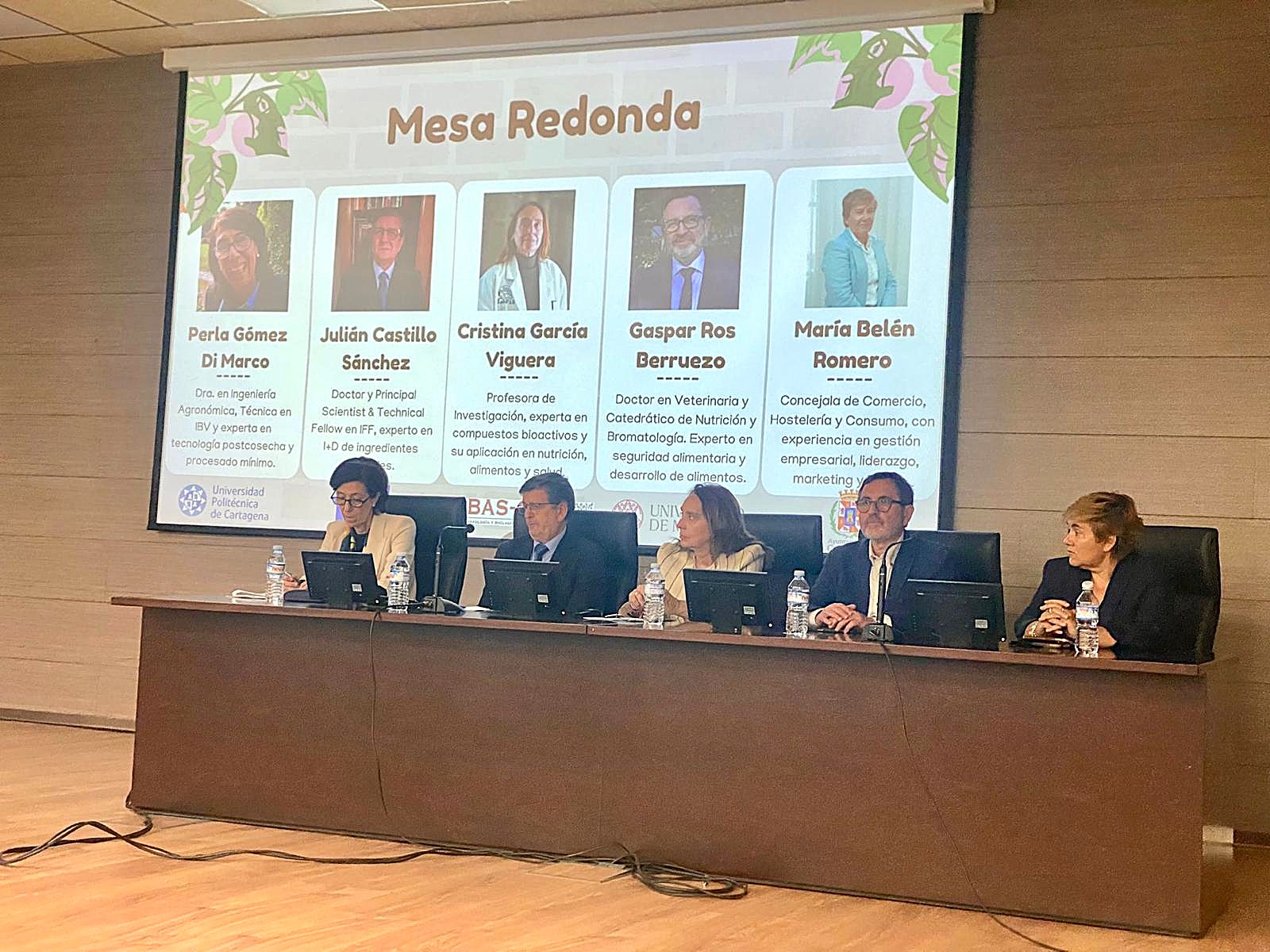
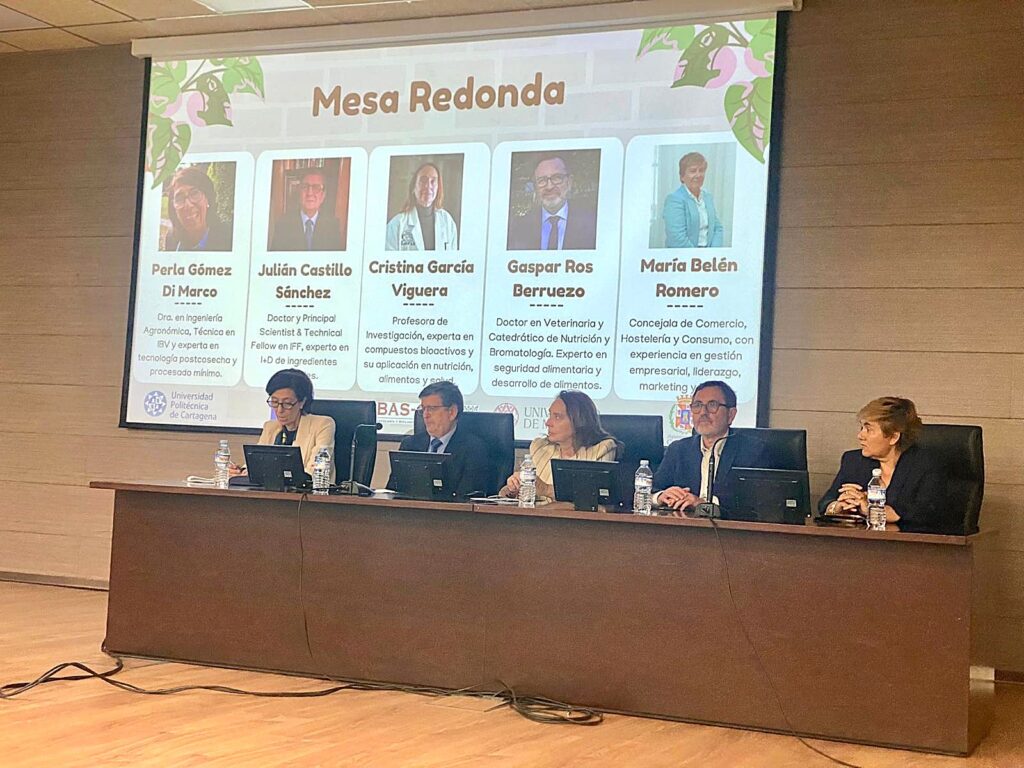
    The Assembly Hall of the ETSIA-UPCT recently hosted the Round Table on Food Waste and Food Valorization, an open public forum organized within the framework of the Cartagena Piensa cultural program and the Association of Young Researchers of Cartagena (AJICT). The event successfully brought together a diverse audience of citizens, students, and professionals to address one of the most pressing sustainability challenges in the current agri-food system.

    The day began with the screening of an informative educational video focusing on the new food waste prevention law. This served as a conceptual foundation for an interactive dynamic with the audience. Attendees were given an analysis sheet to identify specific food waste situations they observe in their immediate local surroundings, propose concrete actions to reduce them, and point out the stakeholders responsible for implementing those solutions. To conclude the session, the panel of experts analyzed and discussed the proposals received from the audience.

    FUSION Project Representation

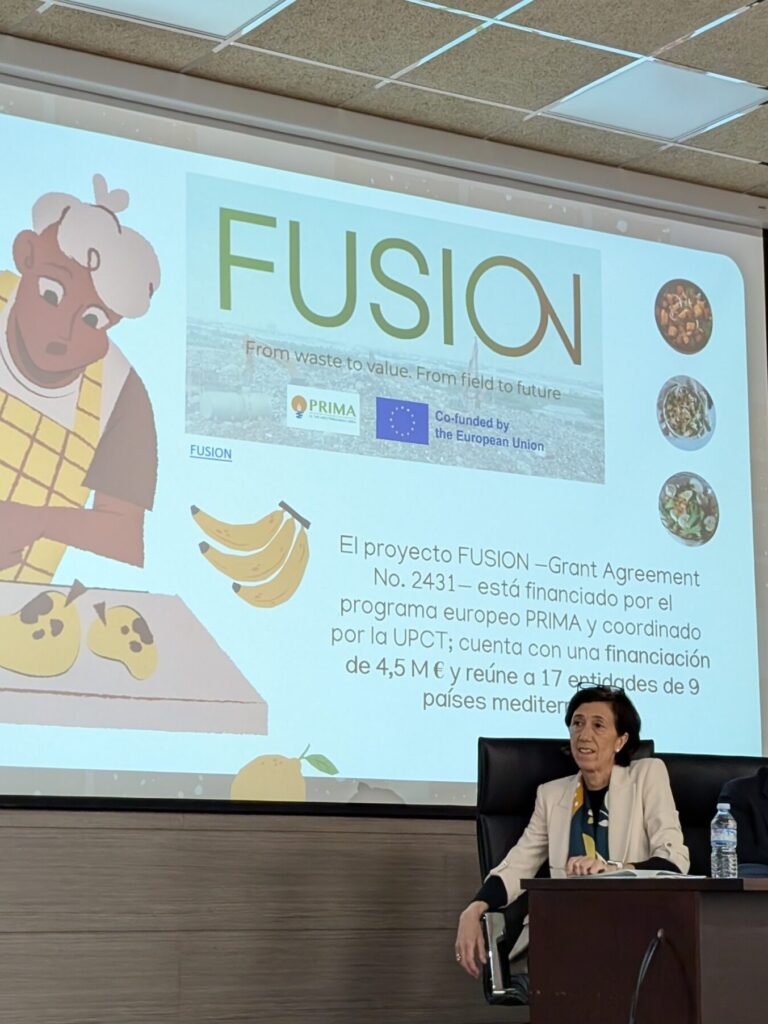
    Among the prominent panel of experts, the event featured the active participation of Dr. Perla Gómez Di Marco, a PhD in Agronomic Engineering from the Polytechnic University of Cartagena and a specialized technician at the UPCT Plant Biotechnology Institute. Representing the FUSION project, Dr. Gómez Di Marco shared valuable technical insights during the debate, linking institutional research with practical, real-world solutions designed to minimize losses along the food value chain.

    A Multidisciplinary Panel of Experts

    The round table benefited from a highly qualified, multi-sector panel that enriched the discussion from scientific, academic, and administrative perspectives:

    • Dr. Cristina García Vigueras: Research Professor at CEBAS-CSIC.

    • Dr. Gaspar Ros Berruezo: Professor of Nutrition and Bromatology at the University of Murcia.

    • Dr. Julián Castillo: Principal Researcher and Technical Fellow at IFF.

    • María Belén Romero Carretero: City Councillor of Cartagena and Head of the Department of Commerce, Hospitality, and Consumption.

    The event was perfectly introduced and coordinated by presenters Lorena Martínez Zamora and Noelia Castillejo Montoya. It concluded with a clear consensus: social awareness, inter-institutional collaboration, and scientific knowledge transfer, core pillars shared by the FUSION project, are vital to reversing current food waste trends.

  • FUSION Project Holds its Second General Assembly in Patras, Greece

    FUSION Project Holds its Second General Assembly in Patras, Greece

    FUSION Project Holds its Second General Assembly in Patras, Greece

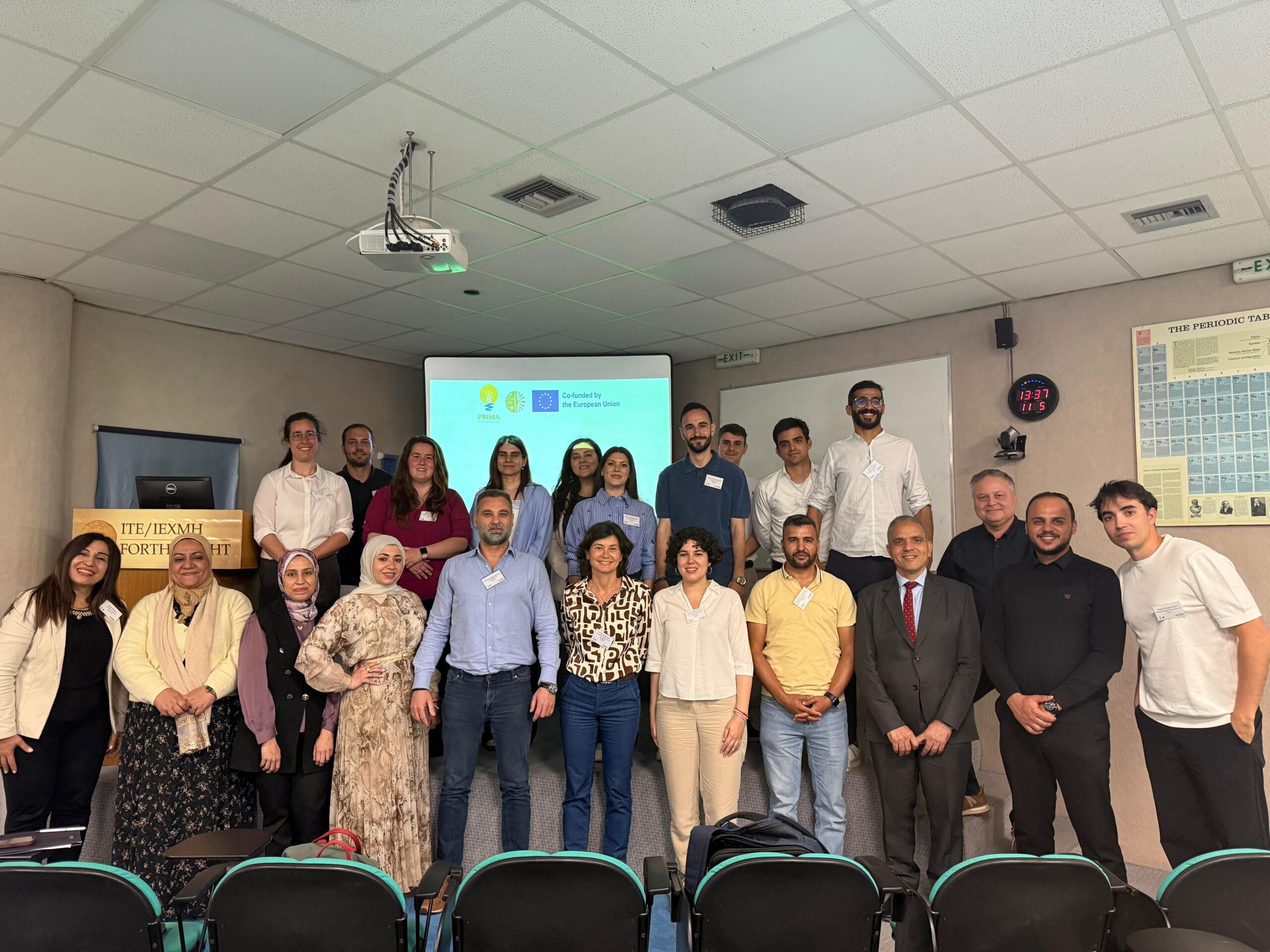
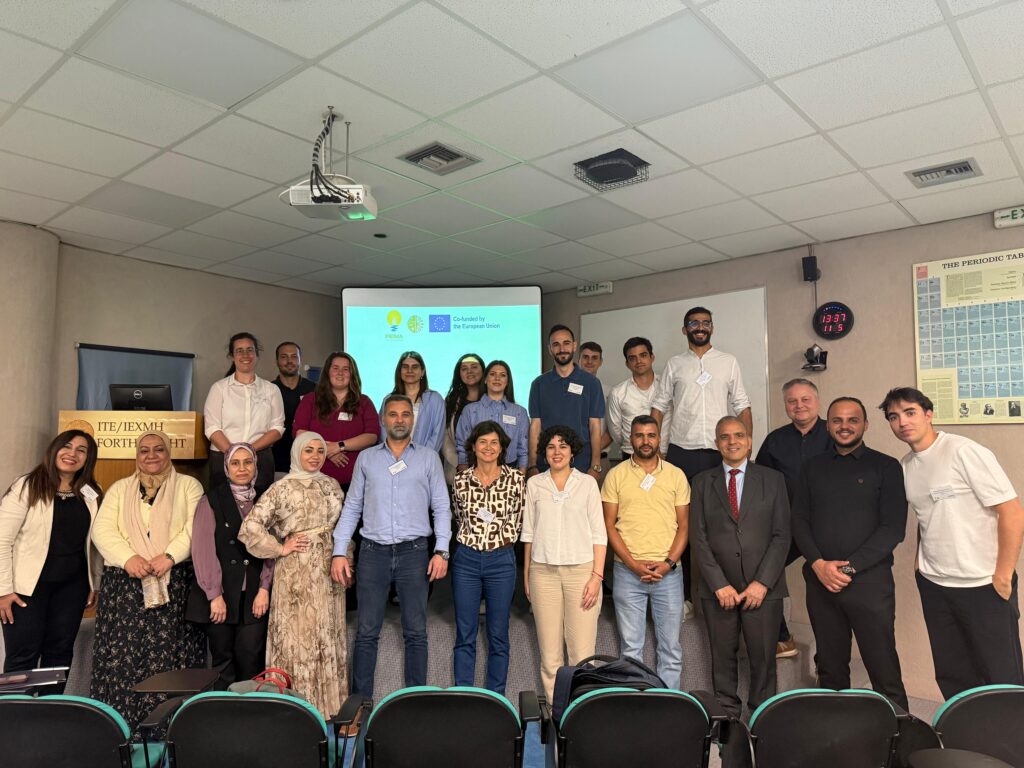
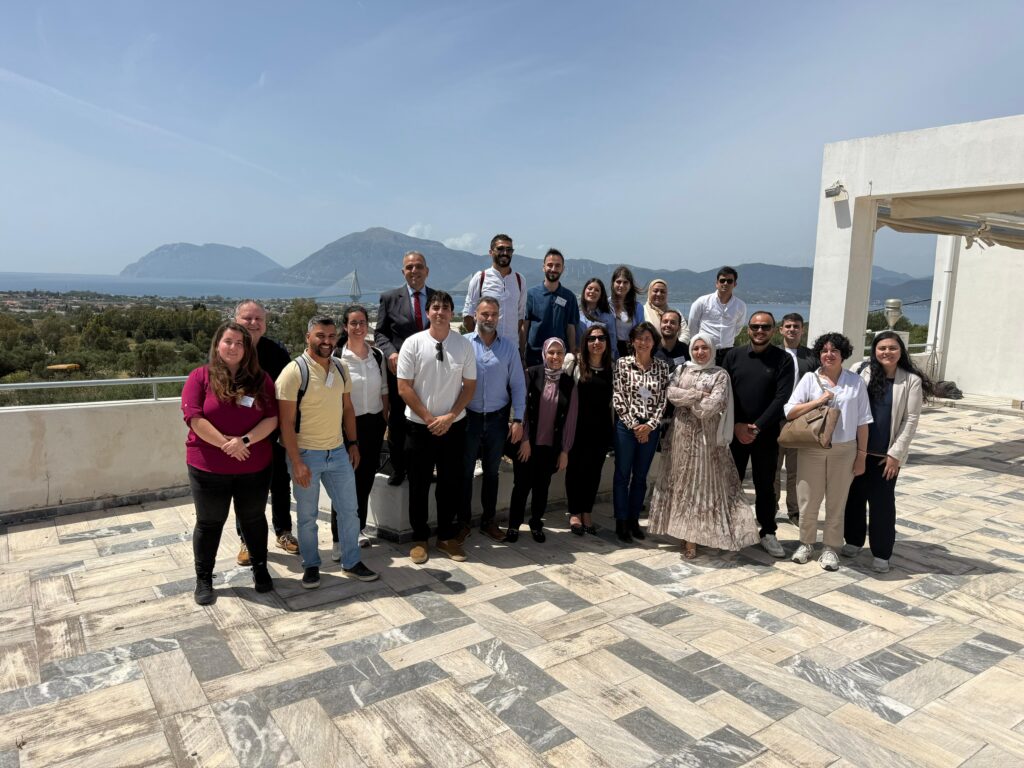
    From 11 to 13 May 2026, the partners of the FUSION project gathered in Patras, Greece, for the project’s second General Assembly, hosted by the Institute of Chemical Engineering Sciences (FORTH/ICE-HT). The meeting brought together consortium members from across the Mediterranean to review project progress, strengthen collaboration, and coordinate the next steps in the fight against food loss and waste in tomato and pepper value chains.

    Strengthening Collaboration Across the Mediterranean

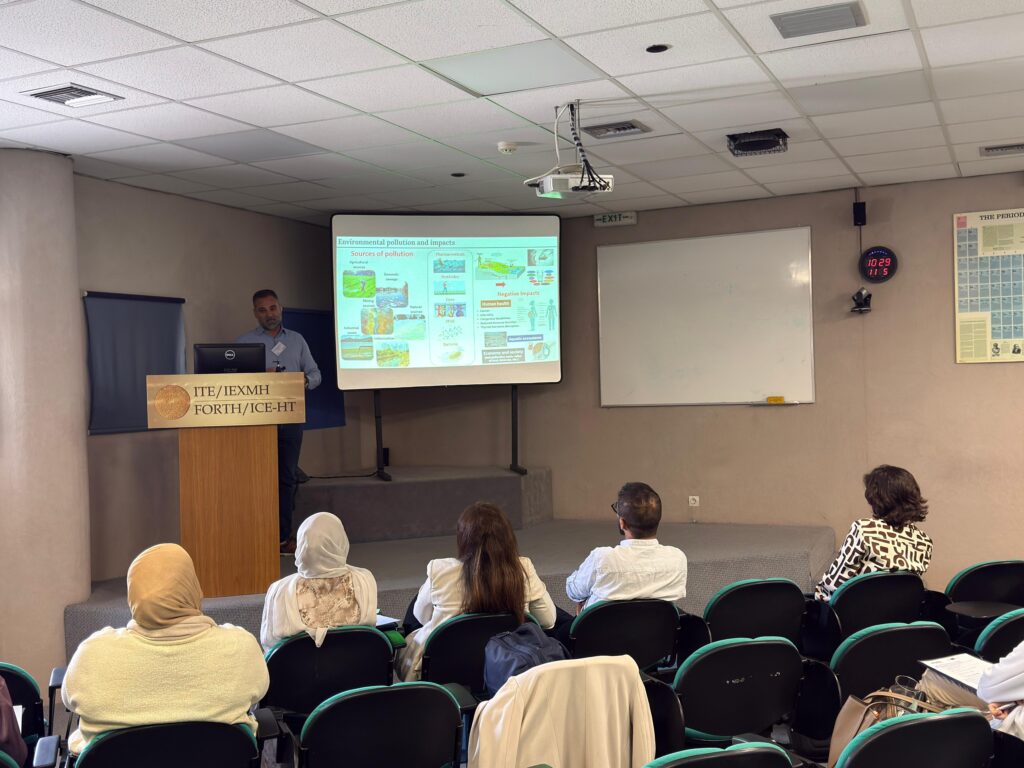
    Over the course of three days, partners shared updates on the activities carried out so far, discussed ongoing developments, and aligned future actions to ensure the successful implementation of the project. The General Assembly provided an important opportunity to reinforce cooperation between research institutions, companies, and organizations working together towards more sustainable and resilient food systems in the Mediterranean region.

    The sessions focused on reviewing project milestones, exchanging technical knowledge, and coordinating upcoming activities related to reducing food loss and waste through innovative technologies, training actions, and collaborative approaches across the agri-food chain.

    Beyond the Meetings: Cultural Exchange and Team Building

    In addition to the technical sessions, the General Assembly also included activities aimed at strengthening personal and professional connections between partners.

    During the second day, participants visited the Archaeological Museum of Patras, where they explored the city’s historical heritage and renowned mosaics. On the final day, partners enjoyed a guided walk through Patras, discovering some of the city’s most emblematic landmarks and cultural sites.

    These activities contributed to reinforcing the collaborative spirit of the consortium, fostering stronger relationships between partners from different Mediterranean countries.

    Moving Forward

    The second General Assembly marked another important step for the FUSION project, consolidating the work carried out during the first phases of implementation and preparing the ground for the next stages of development and demonstration activities.

    The consortium continues working towards its shared objective of reducing food loss and waste, improving sustainability in tomato and pepper value chains, and promoting innovative solutions adapted to Mediterranean realities.

    The FUSION project consortium would like to thank FORTH/ICE-HT for hosting the meeting and all partners for their active participation and continued commitment to the project’s goals.

  • From Preservation to Soil Nutrition: Circular Solutions by KeepCool in the FUSION Project

    From Preservation to Soil Nutrition: Circular Solutions by KeepCool in the FUSION Project

    From Preservation to Soil Nutrition: Circular Solutions by KeepCool in the FUSION Project

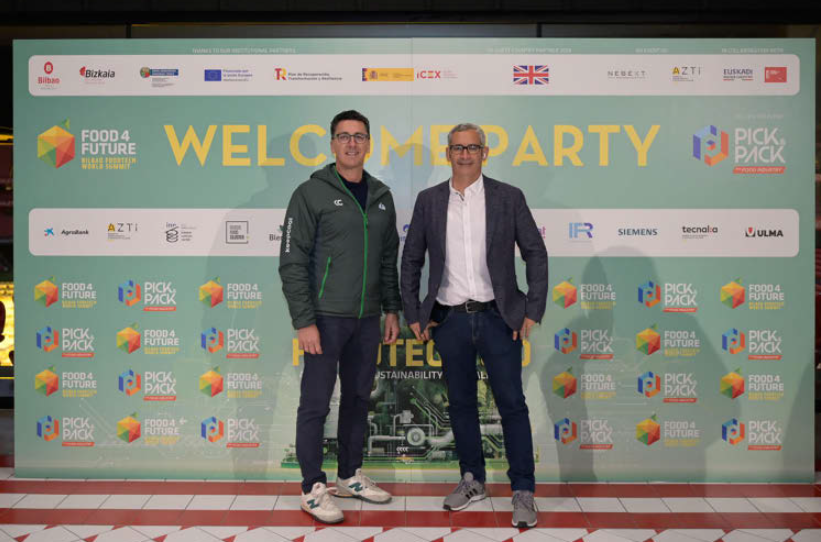
    The FUSION project highlights the contribution of its partner KeepCool, a Spanish company specializing in solutions to improve the preservation of fruits and vegetables. In 2024, KeepCool was recognized as the startup with the greatest international projection by the Food4Future platform, reflecting the growing relevance of its technology in the agri-food sector.

    Technical Innovation for Post-Harvest Preservation

    Within the framework of the FUSION project, KeepCool contributes with technologies focused on air quality control and ethylene management—two critical factors in the preservation of fresh produce.

    Its solutions include ethylene-absorbing filters and air purification and disinfection systems designed for use in storage chambers, transport vehicles, and other stages of the agri-food value chain. These technologies help slow down the natural ripening process of fruits and vegetables, while also reducing the presence of microorganisms such as bacteria, fungi, and viruses.

    KeepCool’s patented technology offers a high absorption capacity, reaching up to 7.84 liters per kilogram, which represents a significant improvement compared to conventional solutions.

    Advancing Circular Economy Practices

    A key aspect of KeepCool’s approach is the integration of circular economy principles into its products. The company has developed filters made with materials such as pharmaceutical-grade Tyvek, which allows air to pass through while preventing liquids from crossing.

    After their use in storage and transport, these filters can be returned to the soil by producers. Initial tests conducted at the experimental farm Las Palmerillas (Almería) have shown promising results, including improvements in soil conditions such as water retention.

    This approach contributes to reducing waste while creating additional value beyond the primary use of the product.

    Contribution to Reducing Food Loss

    KeepCool’s technologies are designed to improve preservation conditions throughout the supply chain, helping to reduce post-harvest losses of perishable products such as fruits and vegetables. In this way, they support broader efforts to improve efficiency and sustainability in agri-food systems.

    Towards More Sustainable Food Systems

    Through its participation in FUSION, KeepCool contributes practical and scalable solutions that address key challenges in food preservation. By combining technological innovation with circular economy practices, the company supports the development of more sustainable and resilient food systems across the Mediterranean region.

  • The Egyptian Fusion Project  Team Holds Coordination Meeting

    The Egyptian Fusion Project Team Holds Coordination Meeting

    The Egyptian Fusion Project Team Holds Coordination Meeting

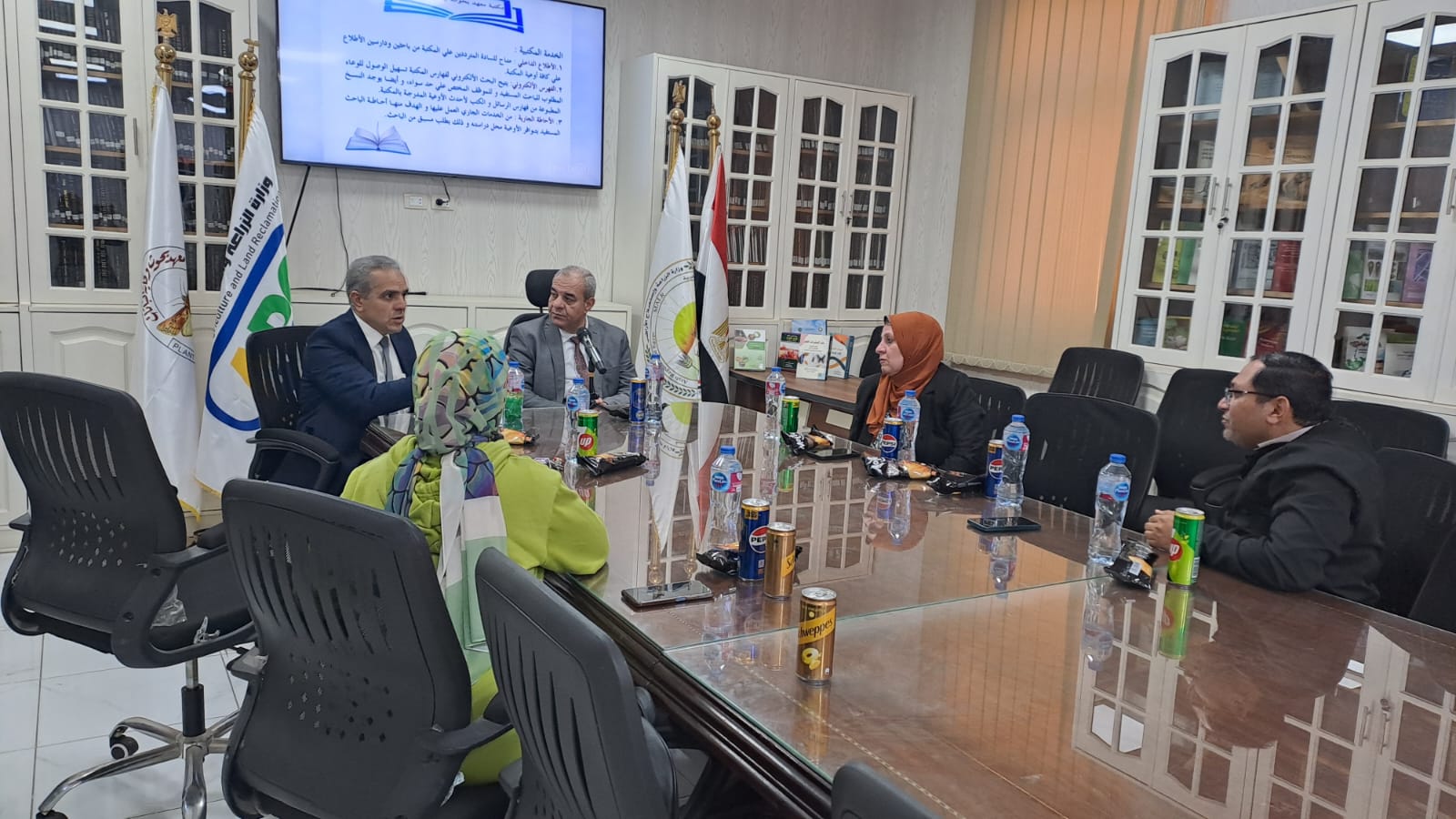
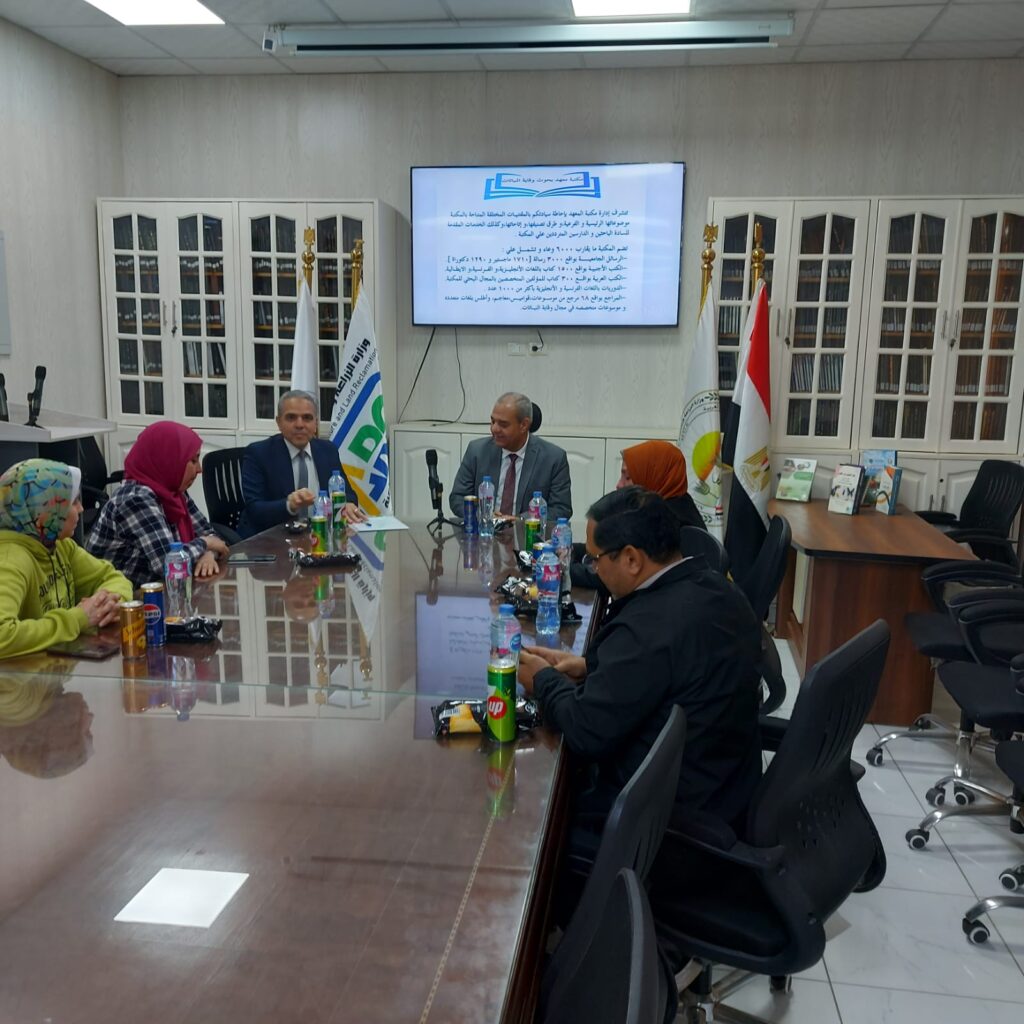
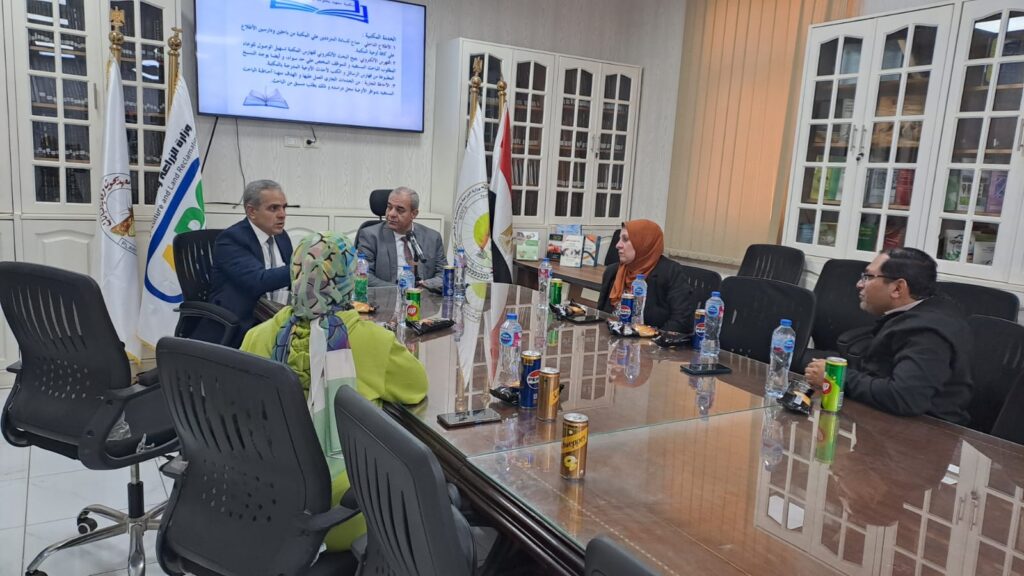
    The Egyptian Fusion Project reached a significant milestone this week as team members gathered at the Plant Protection Research Institute for a high-level coordination meeting. Chaired by Prof. Dr. Tarek Afifi El-Sheikh, the session focused on synchronizing efforts between Egypt’s leading scientific institutions to drive the project’s upcoming phases.

    A Unified Scientific Front
    The meeting brought together a diverse group of experts dedicated to the project’s success, representing the Agricultural Research Center (ARC) and the Atomic Energy Authority (EAEA).
    Participants included Prof. Dr. Adel Hatem (Principal Investigator, ARC), Dr. Gamal Hassan (ARC), Dr. Magda Hashem (ARC), Dr. Reda Hassan (EAEA), Dr. Heba El-Sharkawy (EAEA), Dr. Waheed Ahmed (Participating via online link).
    While the team moved forward with productive dialogue, the PDS representative was unable to attend and sent their apologies due to health reasons.

    Planning for Impact: Field Days and Training
    A primary focus of the discussion was the rollout of upcoming field days and specialized training courses. The team meticulously reviewed the logistical and educational frameworks required to ensure these sessions provide maximum value to stakeholders.

    Items finalized during the session included:

    • Communication Materials: Design and production of informative brochures and event banners.
    • Logistics: Finalizing schedules and venue coordination.
    • Scientific Rigor: Defining the core scientific content and coordinating with expert lecturers to deliver high-quality instruction.

    Looking Toward the Third General Assembly
    In addition to domestic planning, the committee addressed international logistics for the Third General Assembly in Greece. The team discussed necessary visa arrangements and administrative preparations to ensure a seamless Egyptian presence at this prestigious international forum.

    The Path Forward
    The meeting concluded on a high note, with a clear roadmap of agreed-upon next steps. This gathering reinforces the spirit of continued collaboration between the ARC and EAEA, ensuring the Egyptian Fusion Project remains on track to meet its ambitious scientific and developmental goals.

  • Monitoring the Harvest at Its Source: A New Way to Protect Processes and Products

    Monitoring the Harvest at Its Source: A New Way to Protect Processes and Products

    Monitoring the Harvest at Its Source: A New Way to Protect Processes and Products

    In many key sectors—such as agri-food, logistics, or product preservation—there is a silent enemy that is rarely seen but can change everything: the lack of real-time information. This is especially critical in remote environments, rural areas, or locations without telecommunications infrastructure.

    What happens when we don’t know what’s happening inside a container, warehouse, or storage chamber? The answer is simple: risk, uncertainty, and loss.

    The Problem: Making Decisions Blindly

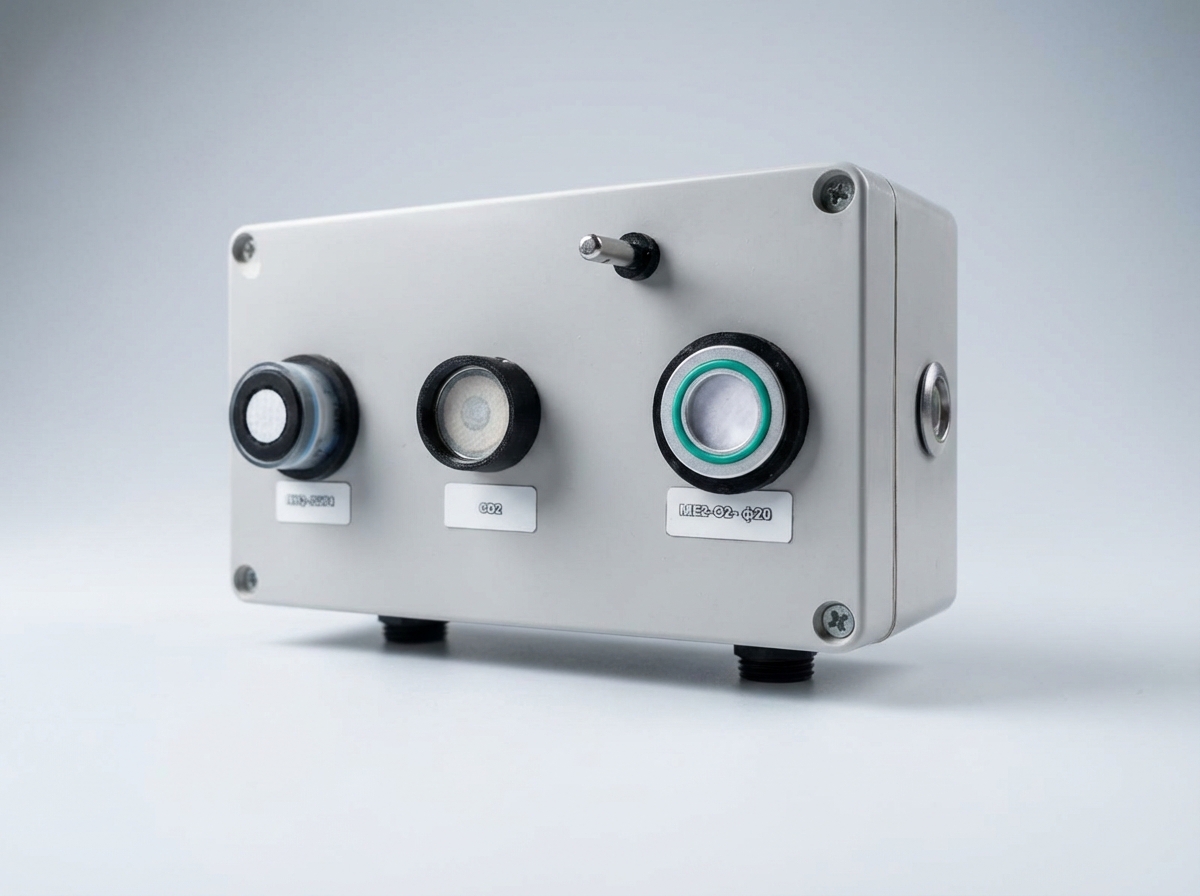
    Gases such as ethylene (C₂H₄), oxygen (O₂), and carbon dioxide (CO₂) play an important role in the ripening, preservation, and quality of many products, especially fruits, vegetables, and other perishable goods.

    Uncontrolled ethylene can accelerate ripening, while incorrect oxygen or carbon dioxide levels can lead to spoilage and quality loss.

    However, in many situations:

    • There is no internet connection.
    • Mobile coverage is unreliable.
    • Physical access to control points is difficult or costly.

    This often forces people to rely on occasional measurements, manual inspections, or—worse—assumptions. And when dealing with sensitive products, assumptions are not enough.

    The Solution: Data Where There Was None

    As part of the FUSION project, our task was to meet this challenge. We are developing devices capable of continuously monitoring ethylene, oxygen, and carbon dioxide, even in the most isolated locations, thanks to satellite connectivity.

    This means the data does not depend on local networks, routers, SIM cards, or existing infrastructure. The devices can be deployed almost anywhere and continue sending reliable information in real time.

    Why Is This So Important?

    Having real-time data allows you to:

    • Detect problems before they become irreversible
    • Optimize preservation and transportation processes
    • Reduce food waste and financial losses
    • Make decisions based on facts, not guesses
    • Extend monitoring to areas that were previously unreachable

    In short, it’s about democratizing access to information, even in extreme or disconnected contexts.

    A Step Towards Smarter, More Sustainable Management

    The ability to monitor critical gases without relying on infrastructure opens the door to more efficient, sustainable, and resilient management models. Less waste, greater control, and more peace of mind for those handling sensitive products.

    Because it’s not just about measuring gases.
    It’s about having visibility, even when everything else is out of reach.

  • Why Measuring the Environmental Impact of Food Loss and Waste Matters?

    Why Measuring the Environmental Impact of Food Loss and Waste Matters?

    Why Measuring the Environmental Impact of Food Loss and Waste Matters?

    A large share of the food produced never gets eaten. This phenomenon, known as Food Loss and Waste (FLW), represents one of the most pressing sustainability challenges of our time. Every tomato that spoils in the field, every pepper discarded at the supermarket, and every plate of salad left uneaten at home embodies an environmental impact that often remains hidden.

    In recent years, environmental Life Cycle Assessment (LCA) has emerged as a powerful tool. By quantifying the environmental footprint of food along its entire cycle — from field to fork — LCA helps us understand where losses occur, what resources are wasted, and how we can act more effectively to reduce their impacts. In the context of fruits and vegetables, especially in the Mediterranean region encompassing Europe and MENA countries (Middle East and North Africa), this approach is particularly relevant. These products are perishable, resource-intensive, and central to regional diets and economies.

    Understanding Food Loss and Waste: More Than Just Leftovers

    FLW are often used as a single expression, but they represent different stages of the problem. Food loss occurs along the early stages of the supply chain — during production, postharvest handling, storage, and processing — while food waste typically happens at the retail and consumption stages. Both forms lead to similar consequences: resources are used without yielding the intended benefit of feeding people.

    Globally, the Food and Agriculture Organization (FAO) estimates that around one-third of all food produced for human consumption is lost or wasted each year. In the case of fruits and vegetables, the rates are even higher due to their perishability. Heat, inadequate storage, inefficient logistics, and market standards for appearance all contribute to this inefficiency. According to the United Nations Environment Programme (UNEP), around 931 million tonnes of food were wasted globally in 2019, accounting for approximately 8–10% of global greenhouse gas emissions, once the resources used for food production are taken into account.

    But what truly makes FLW critical from an environmental standpoint is that wasted food carries the entire burden of its production — the water used to irrigate it, the fertilizers applied to grow it, the energy spent to refrigerate it, and the emissions released during its transport. When food is discarded, all those impacts have occurred for nothing. The environmental dimension of FLW extends far beyond the visible waste. When fruits or vegetables rot, greenhouse gases such as methane are released, contributing to climate change.

    Why Measuring Environmental Impact Is Essential?

    Quantifying these impacts allows us to identify which parts of the chain have the greatest potential for improvement. That is where LCA becomes indispensable. This is a standardized method (ISO 14040–14044) used to evaluate the environmental performance of products or systems throughout their entire life cycle — from the extraction of raw materials to production, distribution, use, and disposal. In the food sector, it provides a comprehensive view of how agricultural inputs, processing technologies, packaging, and transport contribute to impacts such as: climate change, water scarcity, eutrophication, acidification, and resource depletion.

    For instance, applying LCA enables researchers and policymakers to answer these key questions:

    • Which stages of the supply chain contribute most to the environmental footprint?
    • How many emissions are released for every kilogram of crop produced?
    • Which interventions would bring the greatest reductions in environmental impact?

    Supporting Circular and Sustainable Solutions

    Accounting for environmental impacts through LCA does more than provide numbers — it helps guide decisions and policies. For example, LCA can support the design of circular strategies that transform unavoidable losses into new resources. However, not all valorisation pathways are equally sustainable, and LCA helps determine which ones truly reduce the overall footprint.

    Moreover, environmental accounting can help align local actions with global goals, such as the United Nations Sustainable Development Goal 12.3, which calls for halving per capita global food waste and reducing losses along production and supply chains by 2030, as well as with the European Union’s Farm to Fork Strategy, which aims to reduce the environmental impact of food systems and promote more sustainable production and consumption patterns.

    A Call for Integrated Action

    LCA plays a key role in bridging the gap between producers and consumers by making visible how decisions taken at every stage of the food chain — from agricultural practices and postharvest management to retail strategies and household behaviour — shape the overall environmental footprint of food systems. By revealing these interconnections, LCA helps all actors better understand their influence and supports more informed, sustainable choices.

    In this context, the environmental LCA will be carried out by the Universidad Politécnica de Cartagena (UPCT) as part of the FUSION (PRIMA project), titled “Comprehensive and sustainable solution to minimize food loss and waste and promoting food security in the Mediterranean region”. This analysis provides a robust scientific basis to identify critical loss and waste hotspots across the food supply chain and to evaluate effective mitigation strategies tailored to the Mediterranean context.

    To truly make progress, the insights gained from LCA need to be translated into practical actions at multiple levels:

    • At the field level, evaluating climate-resilient tomato and pepper crop species better adapted to future environmental conditions, with the aim of reducing vulnerability to losses and lowering the associated environmental footprint.
    • At the postharvest stage, assessing the potential of solar-powered portable cold storage and technologies that support shelf-life determination or extension — such as ethylene absorption systems or IoT tools — to prevent early losses and reduce the environmental impacts linked to energy use and food waste.
    • Across handling and storage processes, exploring cold plasma as an advanced disinfection approach to improve product preservation while minimising environmental burdens.
    • Evaluating circular approaches for the valorisation of unavoidable by-products, ensuring that these solutions effectively reduce overall environmental impacts and contribute to FLW reduction.

    Environmental LCA should not be treated as an isolated tool but rather integrated into a common sustainability framework that also considers economic costs and social dimensions. This integrated approach ensures that strategies to reduce food loss and waste are environmentally effective, economically viable, and socially fair.

    Dr. Laura Rasines Elena (Researcher on LCA, PRIMA project, UPCT).

  • Ramiro Arnedo S.A. Contribution to FUSION

    Ramiro Arnedo S.A. Contribution to FUSION

    Ramiro Arnedo S.A. Contribution to FUSION

    RASA’s Expertise
    Ramiro Arnedo, S.A. (RASA) specializes in the research, development, and production of horticultural seeds, including peppers, tomatoes, lettuce, onion, melon, eggplant, bean, and artichoke. Their work focuses on developing new varieties resistant to diseases and adapted to climate change challenges, such as rising temperatures and drought.

    Contribution to FUSION
    Within the FUSION project, RASA is testing new greenhouse pepper varieties under different climatic conditions:

    • Biougra (Agadir, Morocco): Five varieties of bell and conical peppers (red, yellow, green) are evaluated under high-temperature conditions typical of commercial greenhouses in the region.

    • El Mirador (Cartagena, Spain): One commercial bell pepper variety is tested under two irrigation regimes: standard management and a 25% reduced dose (75% of regular irrigation) to compare performance under water scarcity.

    Parameters assessed include fruit number, weight, shape, color intensity, cracking, firmness, plant vigor, and continuity. Fruits from the El Mirador trial will also be evaluated using the FUSION store prototype (portable refrigeration store) to assess long-term storage performance and food waste reduction.

    Relevance within the Consortium
    RASA provides key data on pepper varieties best adapted to Mediterranean climate conditions. Key goals include:

    • Climate Adaptation: Developing varieties resistant to heat and drought while maintaining high yield and quality.

    • Sustainability: Combining climate adaptation with disease resistance to minimize the use of chemical products, resulting in a positive impact on air, water, and soil quality.

    • Innovation in Logistics: Testing commercial varieties in the portable refrigeration store to extend shelf life.

    • Collaborative Research: Providing pepper fruits for testing other FUSION technologies and contributing to guides of good practices.

    Additional Impact
    RASA’s involvement strengthens collaborations between research institutions, cooperatives, and private companies within the agri-food value chain. The project aims to:

    • Increase Biodiversity: Expand the number of varieties available to farmers, thereby reducing dependence on large multinational companies.

    • Competitiveness: Strengthen RASA’s position in Mediterranean markets by offering solutions tailored to the specific needs of local customers and ecosystems.

    Trial of 5 new varieties. Greenhouses located in Biougra-Agadir, Morocco

    Commercial variety tested in El Mirador-Cartagena, Spain.