Every year, the world produces more than enough food to feed everyone — yet a third of it never reaches our plates. According to the Food and Agriculture Organization (FAO), around 1.3 billion tonnes of food are lost or wasted annually. This represents not only an economic inefficiency but also an environmental crisis.
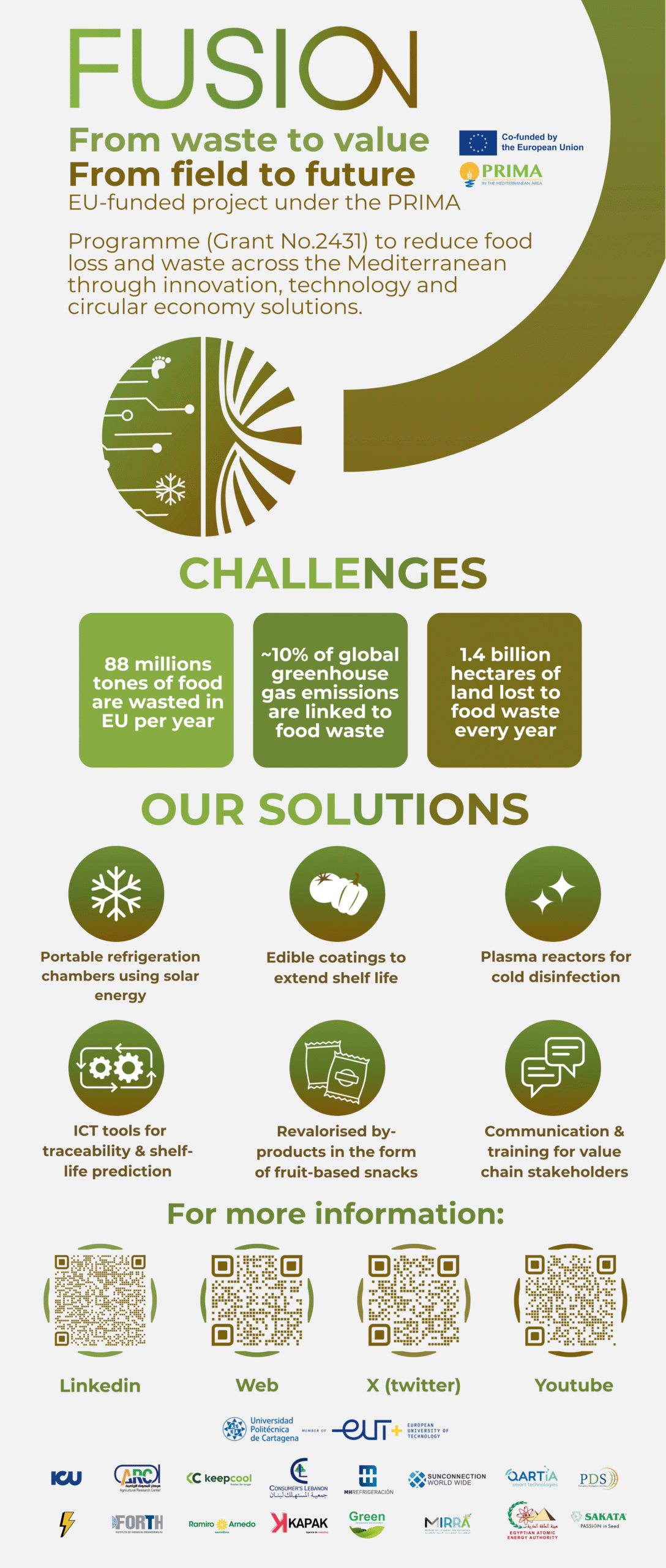
Food that goes to waste still consumes precious resources: water, soil, energy, labour, and time. It accounts for nearly 10% of global greenhouse gas emissions, making food loss and waste (FLW) one of the largest contributors to climate change. If food wastage were a country, it would rank as the third-largest emitter, after China and the United States.
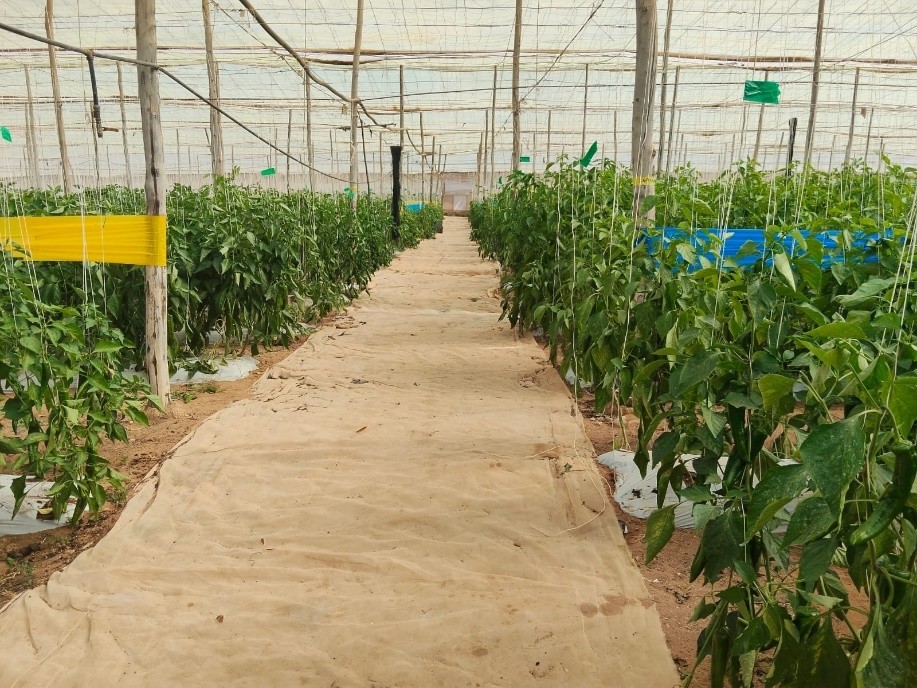
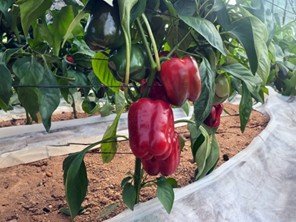
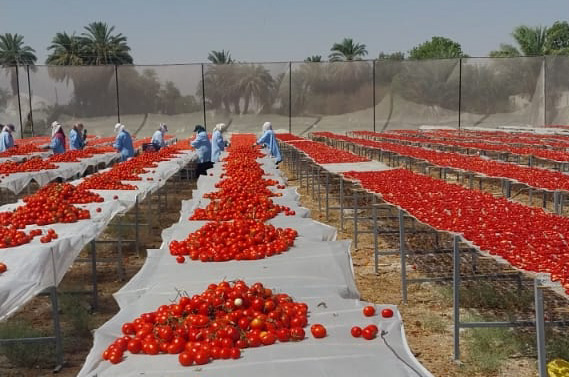
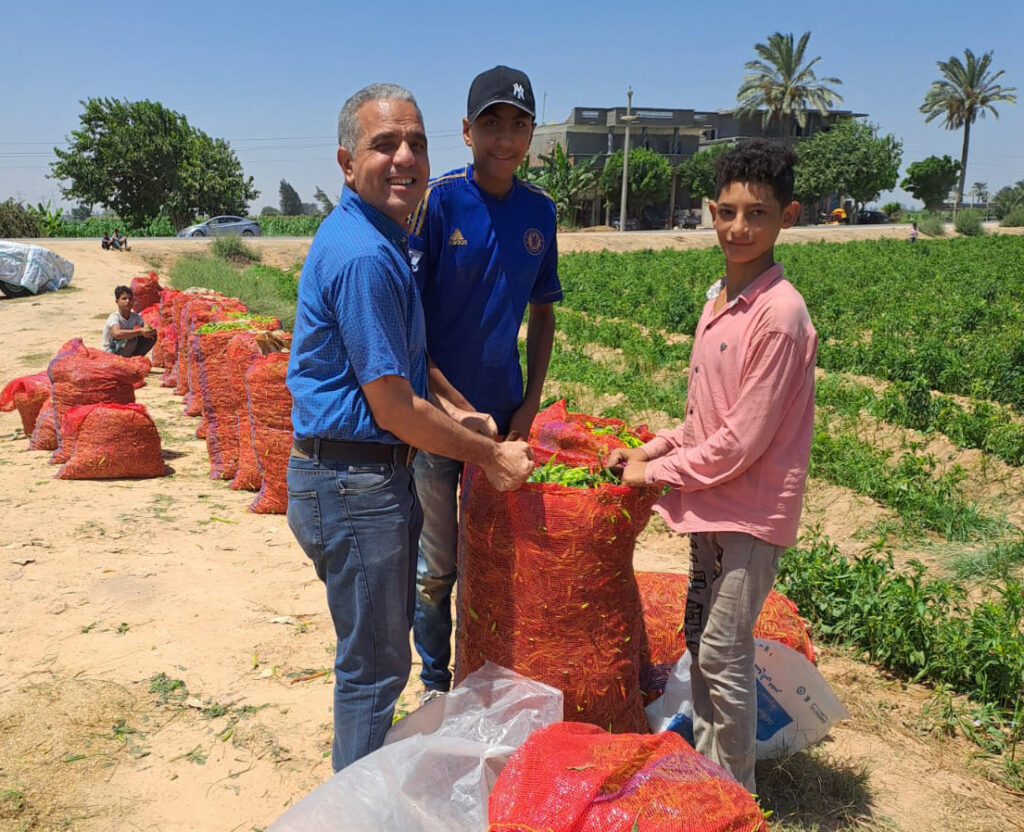
The most affected food categories are fruits and vegetables, which spoil quickly under high temperatures and poor storage conditions. Among them, tomato and pepper crops deserve special attention in the target countries of the FUSION project, as they represent over 91% of tomato production and more than 93% of pepper production in the Mediterranean region.
The FUSION project was created to change that story — to ensure that every tomato and pepper harvested in the Mediterranean has the chance to be consumed, not discarded.
Food loss and waste occur for many reasons, most of them before food even reaches consumers. In Mediterranean countries, small and medium-sized farmers often face structural obstacles that make it difficult to keep produce fresh after harvest.
Among the main causes are:
- Lack of cold storage or unstable access to electricity in rural areas.
- Inadequate packaging or handling, leading to bruising or spoilage during transport.
- Market rejection of produce that doesn’t meet visual standards, even when perfectly edible.
- Limited knowledge or infrastructure for preserving perishable crops.
- Climate stress, including heat waves and droughts that accelerate deterioration.
In some areas, post-harvest losses of tomatoes and peppers can reach 30–50%. This means that nearly half of what farmers grow never reaches the market — a tragic waste of resources and effort. And when food is wasted, so is everything behind it: the water used for irrigation, the energy for pumping and cooling, the fertilizers and packaging materials, and the human labour involved at every step.
Reducing food loss and waste is therefore not just about saving food — it’s about saving the planet’s resources and ensuring a fairer food system.
The Mediterranean basin is facing increasing pressure from climate change, water scarcity, and energy dependence. Tomatoes and peppers are two of the region’s signature crops, central to local diets and economies, but also among the most perishable and sensitive to temperature fluctuations. Their short shelf life makes efficient preservation essential — yet many production areas lack the infrastructure to achieve it.
The region’s countries share similar challenges: smallholder-dominated agriculture, dependence on irrigation, and logistical barriers to reaching distant markets. At the same time, they share a common goal — ensuring food security and sustainability for future generations.
Recognizing these shared needs, researchers, companies, and organizations from both sides of the Mediterranean have joined forces through the FUSION project, turning collaboration into action.
A Mediterranean effort to transform food systems
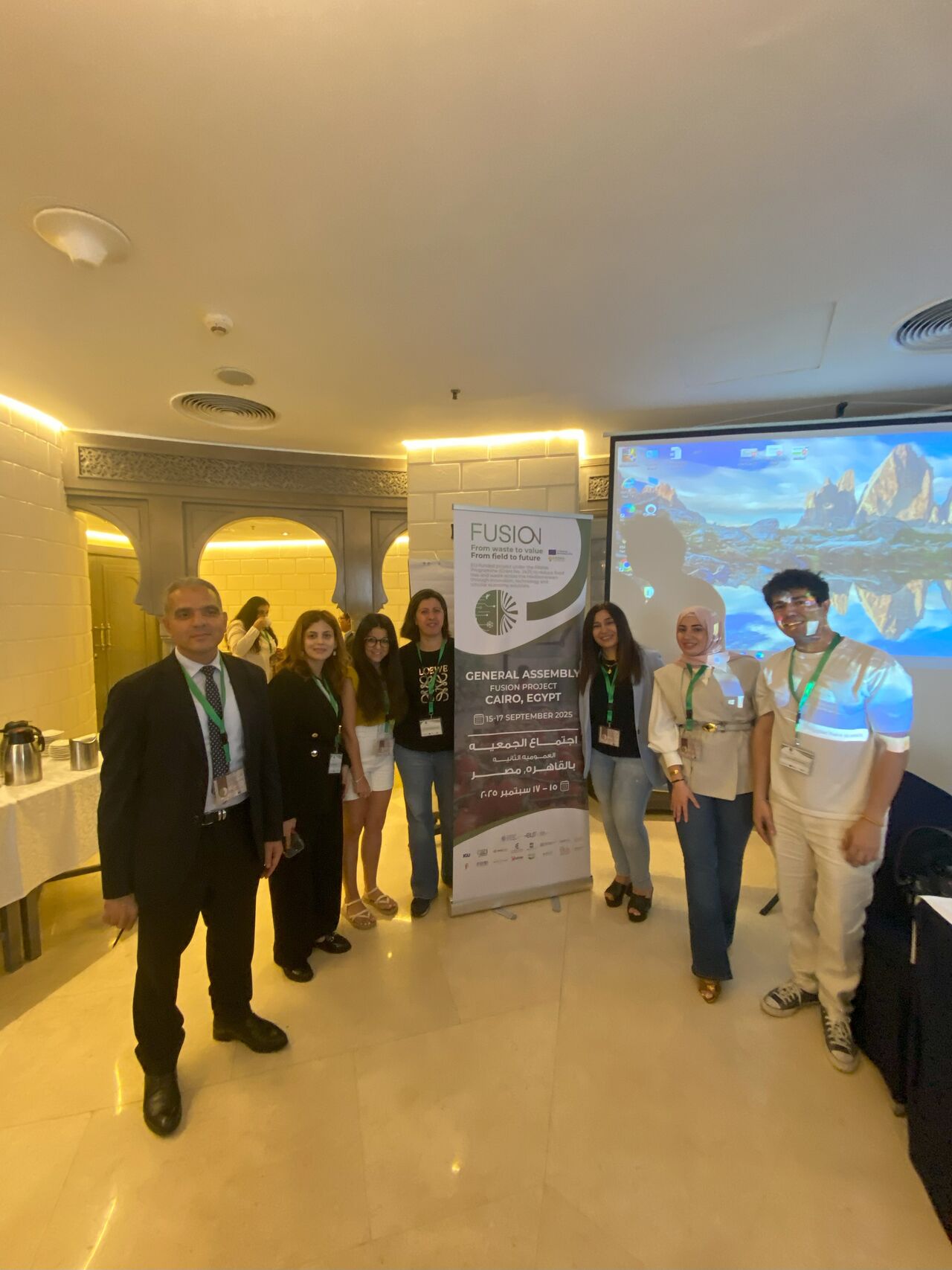
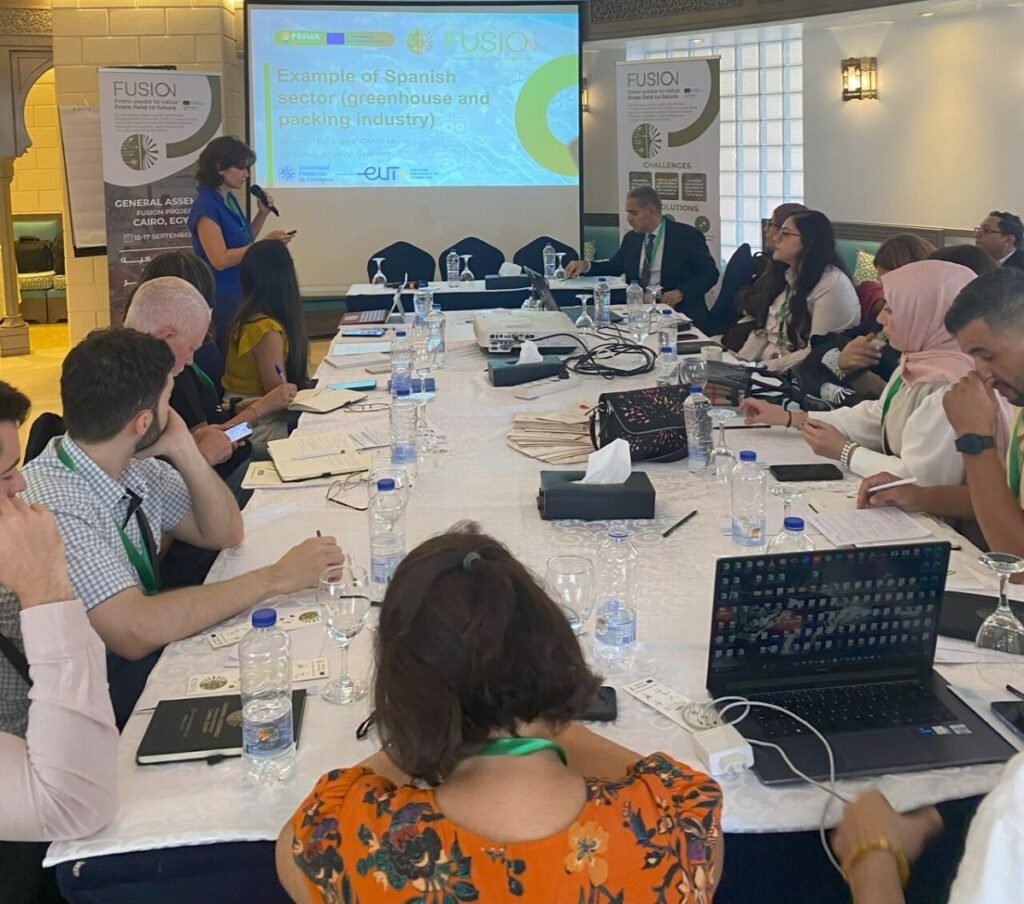
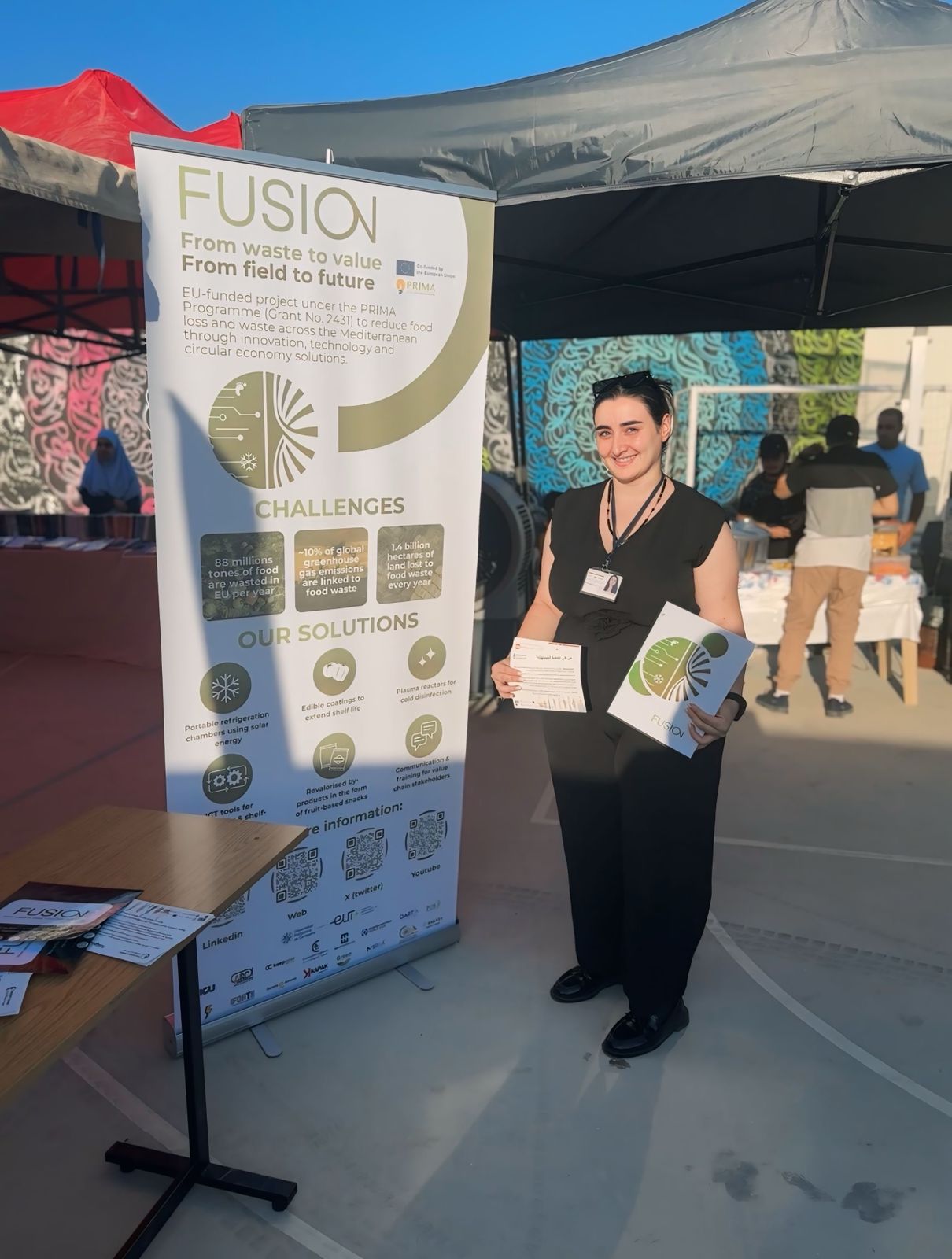
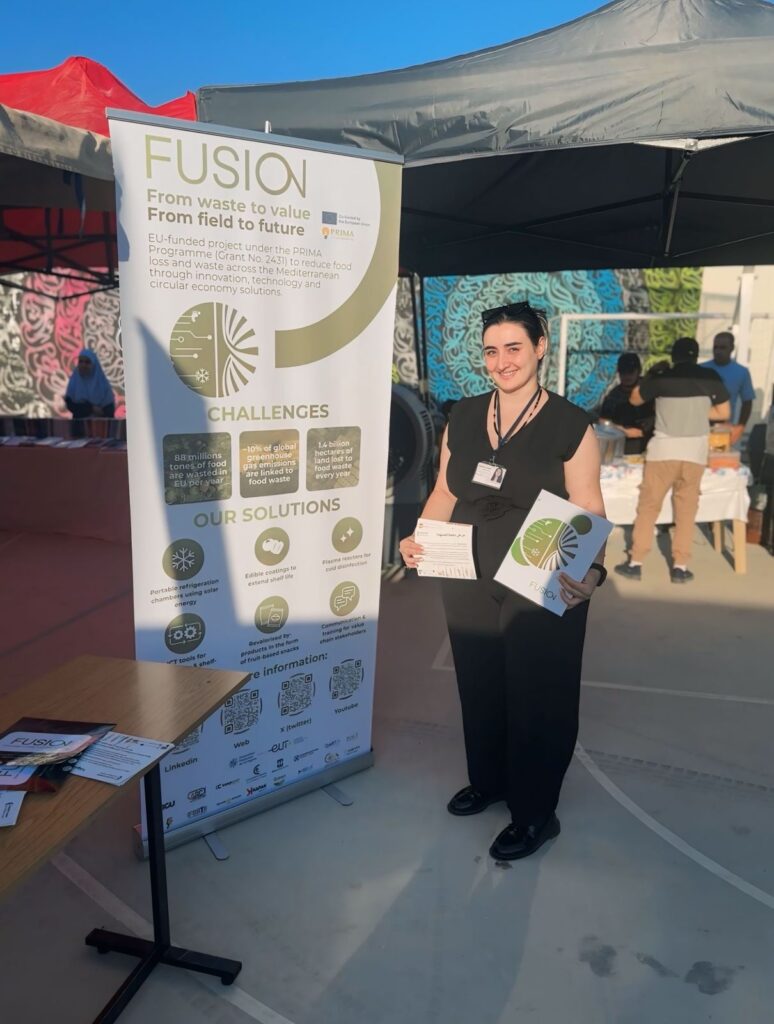
FUSION — “Comprehensive and sustainable solution to minimize food loss and waste and promote food security in the Mediterranean region” — is a three-year project (2025–2028) funded under the PRIMA Programme (Partnership for Research and Innovation in the Mediterranean Area) and coordinated by the Universidad Politécnica de Cartagena (UPCT, Spain). The project brings together 17 partners from Spain, Italy, Greece, Turkey, Egypt, Lebanon, Jordan, Morocco, and Tunisia, including universities, research centres, and small enterprises.
Its central goal is to reduce food loss and waste by at least 40% in the tomato and pepper value chains, while improving environmental, social, and economic sustainability. To achieve this, FUSION integrates technological innovations, life cycle assessment, and education and communication strategies in a holistic approach that addresses the problem from seed to shelf, empowering communities with knowledge, tools, and solutions.
What makes FUSION unique is its life cycle perspective — encompassing the entire food supply chain, from production to consumption and beyond, including revalorisation. Instead of treating food loss as an isolated issue, FUSION examines every stage where waste can occur and introduces innovations that make the whole system more resilient.
Six complementary innovations to tackle food loss
Climate-Resilient Seeds: Climate change is one of the biggest threats to Mediterranean agriculture. FUSION works with Sakata and Ramiro Arnedo (Spain) to identify and test tomato and pepper varieties that can withstand high temperatures and drought. These seeds maintain yield and quality even under stress, reducing resource use and stabilizing food supply.
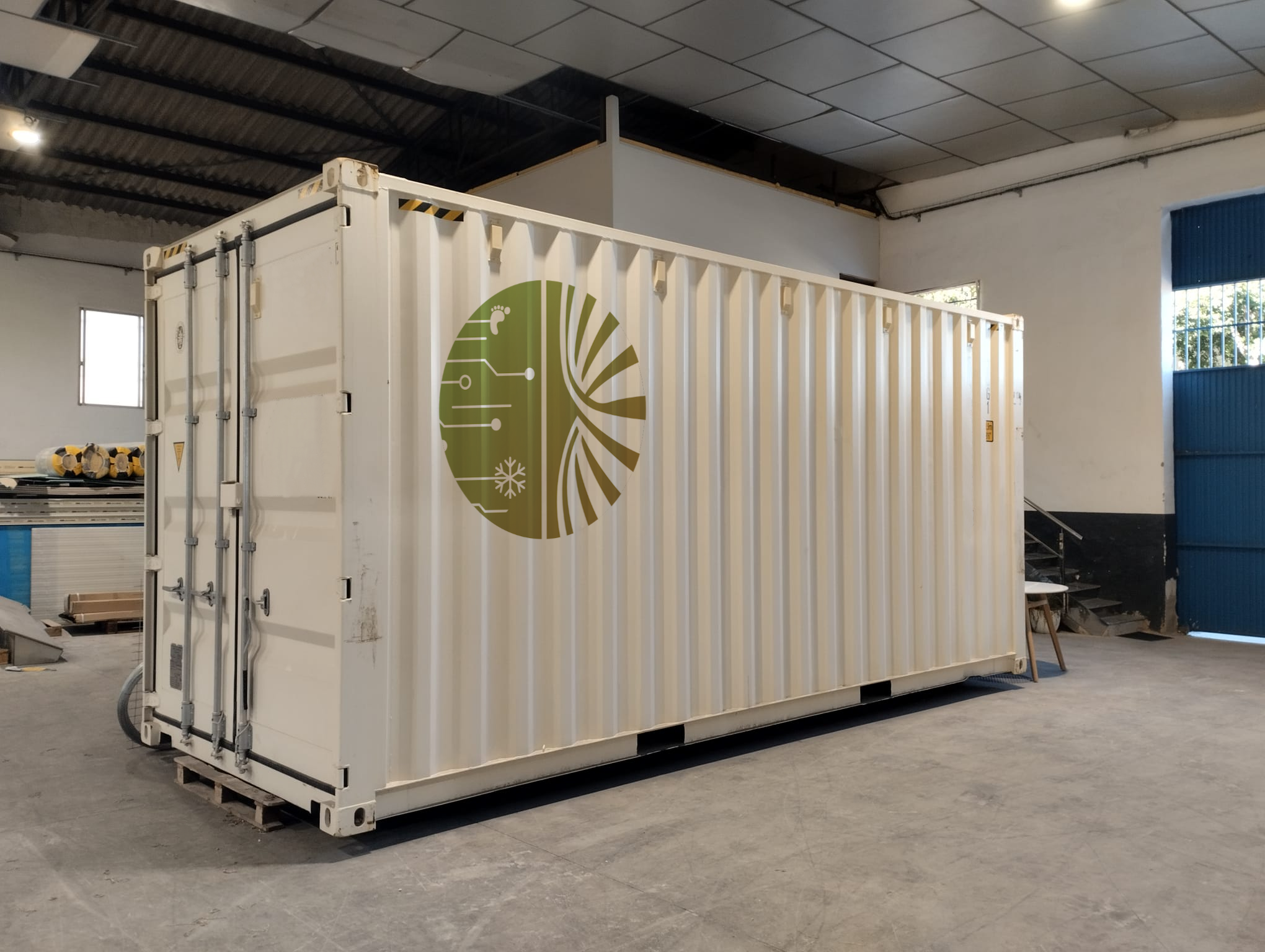
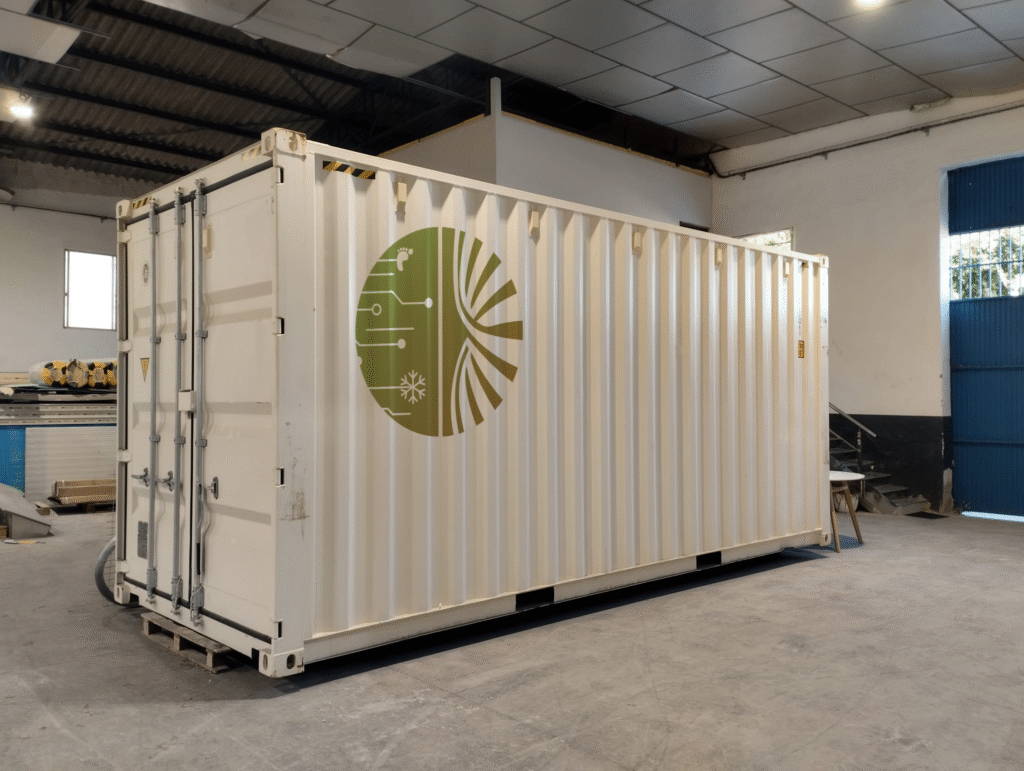
Portable Solar Refrigeration Chambers: In many rural areas, farmers lack immediate access to cooling facilities after harvest. FUSION addresses this challenge by developing solar-powered portable refrigeration chambers that bring the cold chain directly to the field. Developed by MH Refrigeración, Keep Cool, Sun Connection, and Qartia Smart Technologies (Spain), these chambers integrate energy-efficient cooling, ethylene removal, air sanitization, and real-time monitoring of parameters such as CO₂, ethylene, temperature, and relative humidity. They can operate off-grid, preserving freshness while reducing energy costs and greenhouse gas emissions.
Cold Plasma Disinfection: Microbial contamination is another major cause of spoilage. Instead of chemicals, FUSION’s cold plasma reactor uses electrically charged air to inactivate bacteria and fungi safely. Developed by FORTH (Greece), this innovation extends shelf life, improves hygiene, and protects the environment from chemical residues.
Edible Coatings from Agricultural By-Products: Plastic packaging helps extend shelf life but comes at a high environmental cost. FUSION replaces it with natural edible coatings made from agricultural by-products such as broccoli leaves or grape pomace. Developed by UPCT (Spain) and the Agricultural Research Center (Egypt), these biodegradable coatings form a thin layer that slows dehydration and spoilage, helping products stay fresh longer while promoting circularity.
ICT Tools for Traceability and Shelf-Life Prediction: FUSION brings digital intelligence to the food chain through smart sensors and artificial intelligence (AI). Developed by UPCT and Qartia Smart Technologies, the system monitors temperature, humidity, and ethylene levels during storage and transport. The data are used to predict shelf life and optimize logistics — helping farmers and retailers make informed decisions that prevent waste and save energy.
Revalorisation of By-Products: Some losses are inevitable, but they can still have value. FUSION transforms unmarketable tomatoes and peppers into dehydrated snacks and natural purees, turning potential waste into income. UPCT is developing a hybrid solar dehydration prototype to revalue these by-products.
Beyond technology: building awareness and resilience
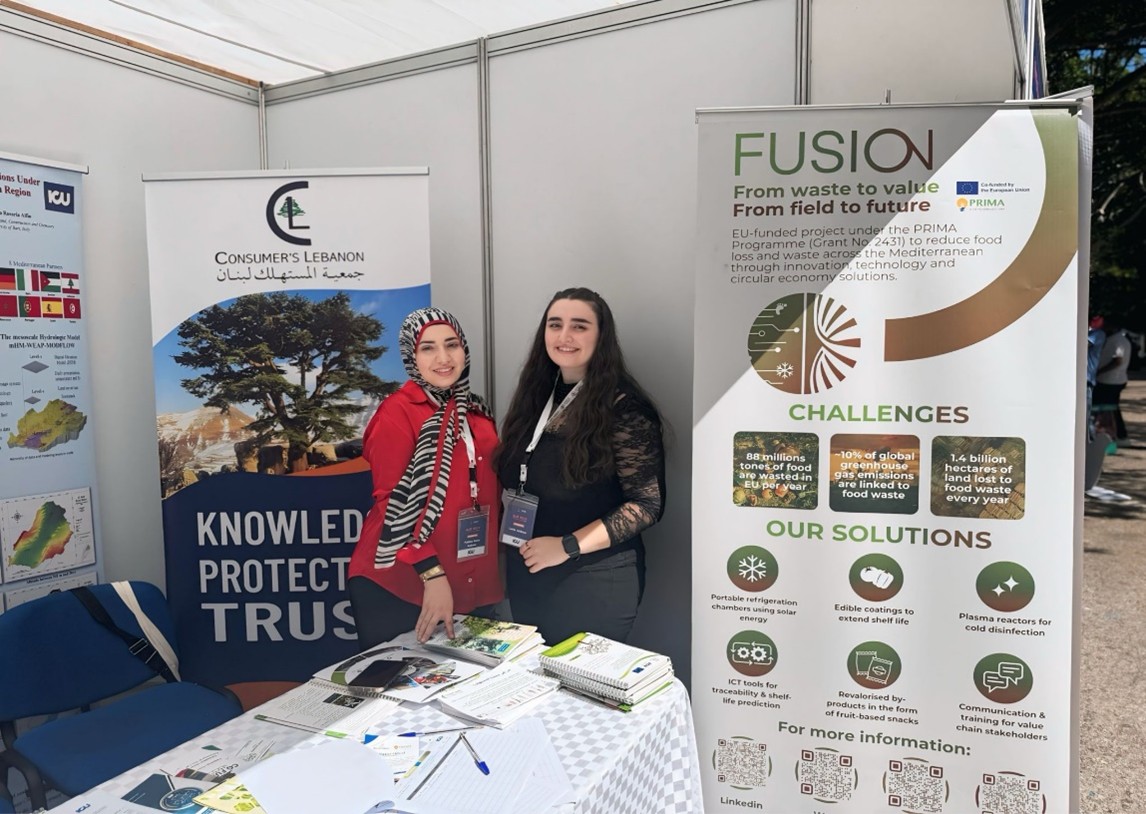
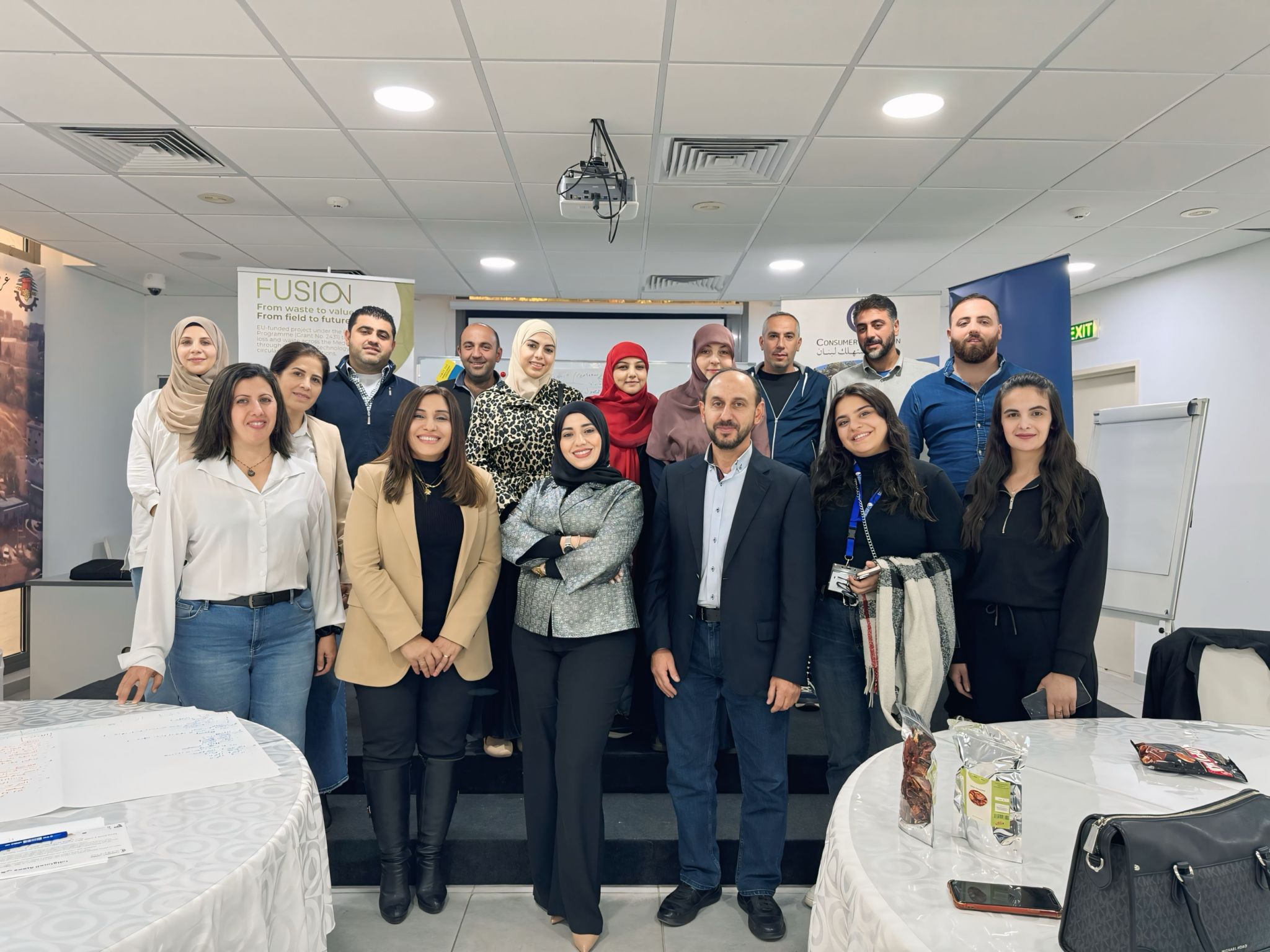
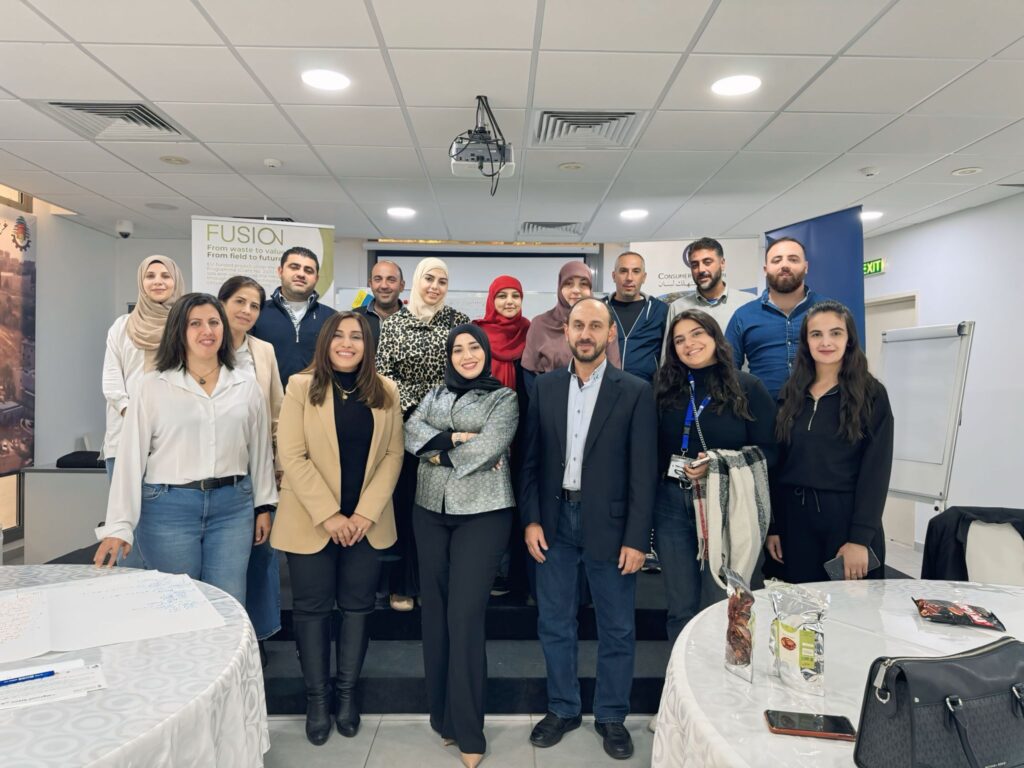
FUSION’s technologies will be tested under real conditions to ensure adaptability to different climates and markets. Partners from Lebanon, Italy, Morocco, Jordan, Egypt, and Turkey will collaborate to demonstrate results at local level.
Yet technology alone cannot solve food loss and waste. That’s why FUSION also invests in training activities, demonstrations, and awareness campaigns, promoting good practices from farm to household.
FUSION’s communication campaigns target not only professionals but also consumers, raising awareness of the environmental and ethical importance of reducing food waste at home. Kapak European Innovation leads this area of the project. In parallel, FUSION’s research activities will support policymakers and stakeholders in designing more effective strategies for sustainable food systems across the Mediterranean region.
Complementary tools will assess environmental performance (Environmental Life Cycle Assessment, e-LCA), economic viability (Life Cycle Costing, LCC), and social benefits (Social LCA, s-LCA), ensuring that the proposed solutions are practical, affordable, and equitable.
FUSION is also a social initiative, aiming to empower small farmers, create local employment, and promote gender equality.
Toward a circular and resilient Mediterranean food system
By the end of the project, FUSION expects to deliver tangible and measurable impacts across the food chain:
- Up to 40% reduction in food loss and waste for tomatoes and peppers.
- 25–30% longer shelf life for fresh produce through improved coatings and cold storage.
- Lower greenhouse gas emissions from avoided production and landfill waste.
- Reduced water and energy use during cultivation and post-harvest handling.
- Significant cut in plastic packaging through biodegradable materials.
- New business models for by-product revalorisation, boosting rural economies.
The vision behind FUSION goes beyond saving food — it’s about transforming the way we produce, distribute, and consume.
By combining technology, knowledge, and education, FUSION lays the foundation for a circular and resilient Mediterranean food system, where innovation benefits both people and the planet.
Authors: Laura Rasines and Encarna Aguayo
Universidad Politécnica de Cartagena (UPCT, Spain)